Choosing the right paint color can transform the look and feel of your home. Whether you’re refreshing your exterior walls, updating your living room, or planning a new house design, trending house paint colors can help you create a modern and attractive appearance.
In 2026, home color trends are embracing warm neutrals, earthy greens, rich browns, calming blues, and timeless whites. Homeowners are also experimenting with deeper accent colors to add personality while keeping their overall designs balanced. These trends offer inspiration for both contemporary homes and traditional houses. <Cite refs={[“turn298878search1″,”turn298878search2″,”turn298878search7”]}/>
In this guide, you’ll discover 10 trending house paint colors ideas, including beautiful color combinations, styling tips, and practical suggestions for choosing shades that complement your home.
1. Warm White and Cream
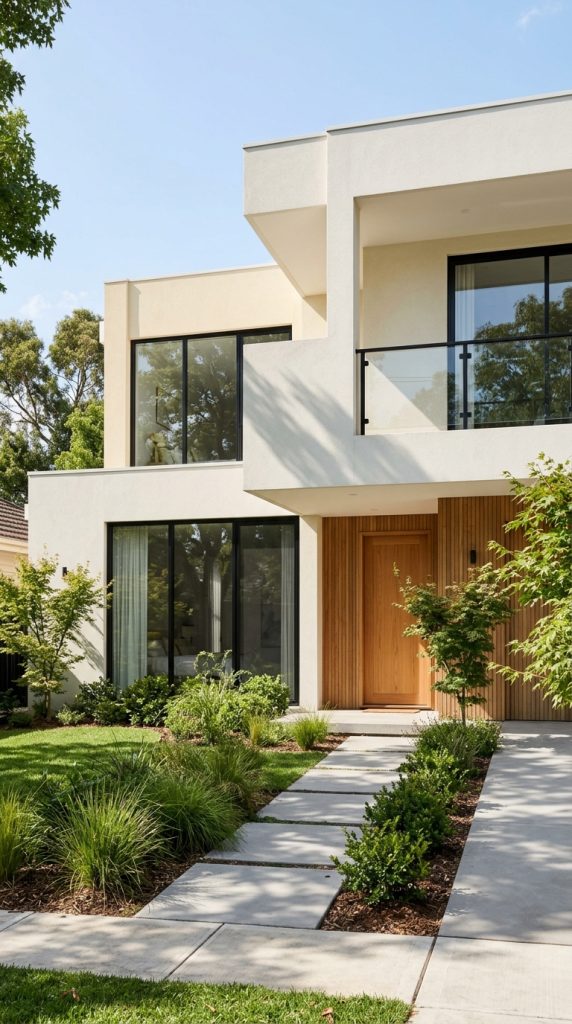
Warm white and cream remain popular choices for homeowners who want a clean, bright, and timeless appearance. Unlike stark white, warm white has subtle creamy undertones that create a softer and more welcoming atmosphere.
For exterior walls, combine warm white with beige borders, black window frames, or a natural wooden front door. Inside the home, it works beautifully with neutral furniture, wooden floors, and soft fabrics.
This color combination is especially useful if you want a versatile background that works with different decorating styles.
Best for: Modern house exteriors, minimalist living rooms, and elegant bedrooms.
Styling tip: Test your white paint outdoors and indoors before choosing it because natural light can change how warm or cool it appears.
2. Sage Green
Sage green is a muted, nature-inspired color that brings freshness and calmness to a home. Green shades are receiving increased attention in current paint trends, making sage an appealing choice for homeowners who want something more distinctive than traditional neutrals. <Cite refs={[“turn298878news12″,”turn298878search1”]}/>
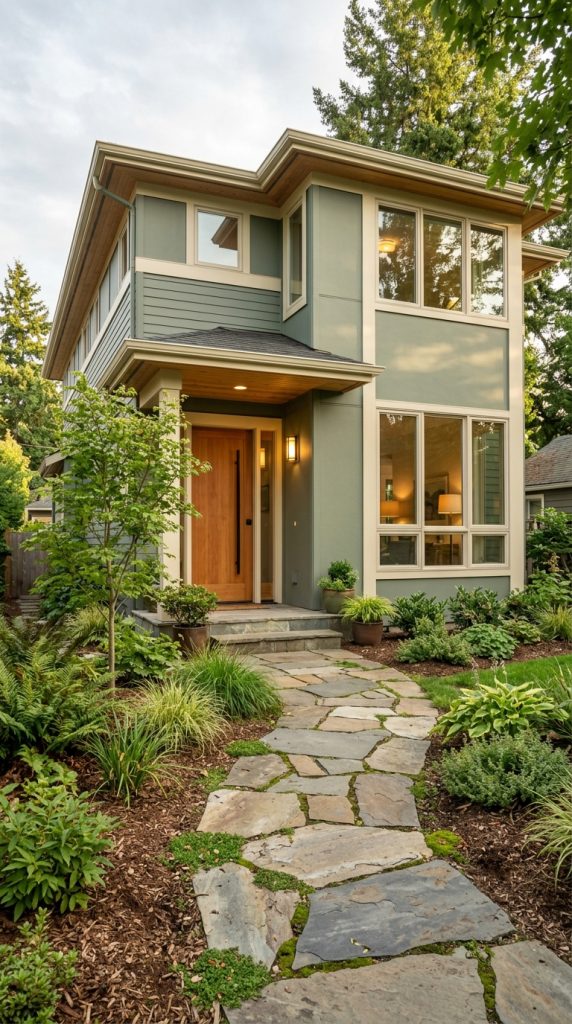
Use sage green on bedroom walls, kitchen cabinets, living room accent walls, or exterior facades. Pair it with warm white, cream, light oak, or natural stone for a balanced appearance.
For a modern exterior, sage green walls with cream trim and a wooden door create a welcoming look without relying on overly bright colors.
Best for: Nature-inspired interiors, modern farmhouse designs, and contemporary house exteriors.
Styling tip: Choose a muted sage shade for a subtle look that is easy to coordinate with other colors.
3. Warm Beige and Sand
Warm beige and sand colors offer a timeless way to make a home feel cozy and sophisticated. These earthy neutrals complement natural materials and work well with a wide range of furniture styles.
Use sand-colored paint in living rooms, bedrooms, hallways, and exterior walls. Pair it with cream curtains, wooden furniture, brown doors, or stone accents.
For exterior designs, beige walls with white borders create a classic appearance. For interiors, combining several shades of beige can add depth without making the room feel too colorful.
Best for: Family homes, warm minimalist interiors, and classic house exteriors.
Styling tip: Add texture through linen curtains, woven accessories, or wooden furniture to keep neutral spaces visually interesting.
4. Greige
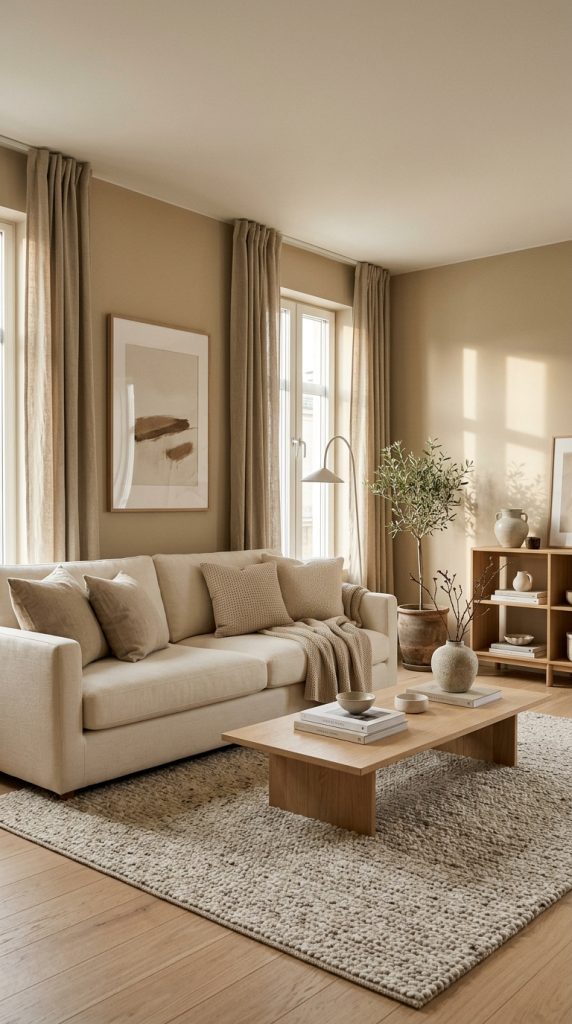
Greige combines gray and beige to create a balanced neutral that feels modern yet warm. It is a versatile option for homeowners who want a contemporary color without choosing a strong or dramatic shade.
Greige works well in open-plan living areas, bedrooms, home offices, and exterior walls. It pairs beautifully with white trim, black fixtures, natural wood, and cream upholstery.
For a coordinated look, use a light greige on the main walls and a slightly deeper shade on selected architectural details or cabinetry.
Best for: Contemporary homes, minimalist interiors, and sophisticated exterior designs.
Styling tip: Compare warm and cool greige samples in your home’s lighting before making a final decision.
5. Olive Green
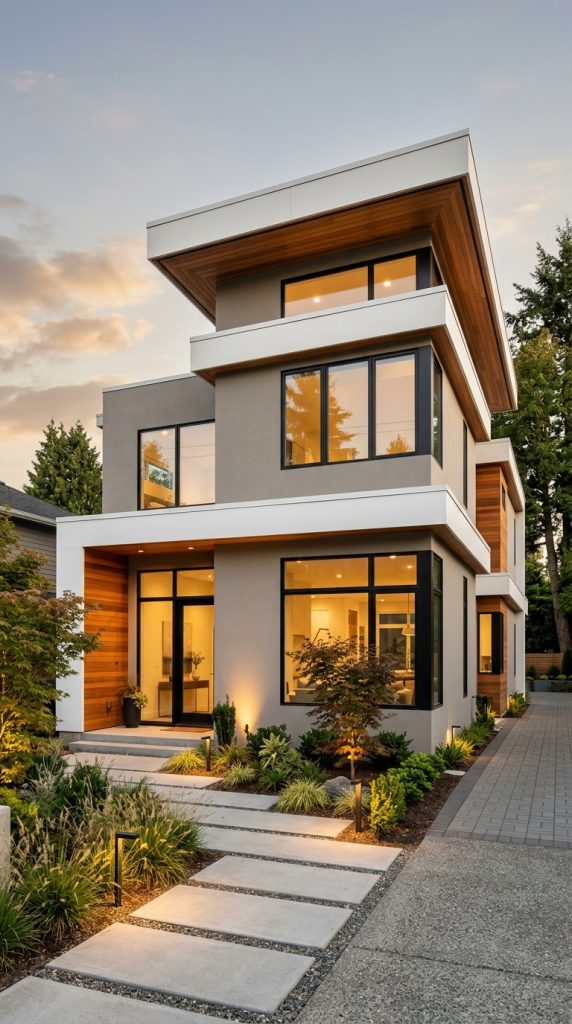
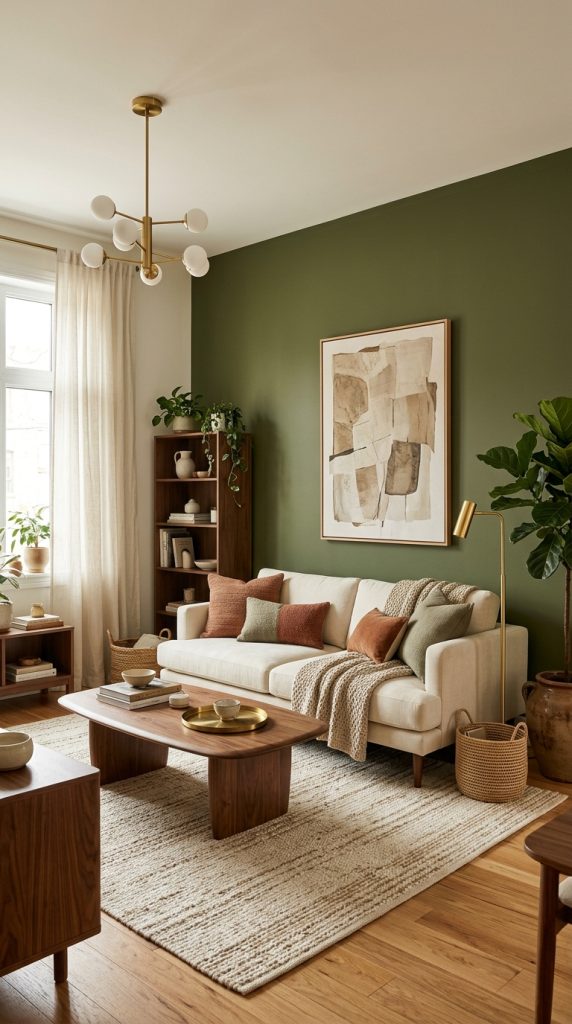
Olive green is a rich, earthy shade that gives a home a sophisticated and natural appearance. It is a great choice for people who want a deeper color while maintaining a connection to nature.
For interior walls, olive green works beautifully with cream sofas, walnut furniture, brass accessories, and warm lighting. For exterior walls, combine olive green with warm white trim, natural stone, or a brown wooden entrance.
You can also use olive green for kitchen cabinets, study rooms, or a feature wall in the living room.
Best for: Earthy modern homes, statement walls, and nature-inspired designs.
Styling tip: Balance darker olive tones with lighter neutral shades to keep the space from feeling too heavy.
6. Moody Blue
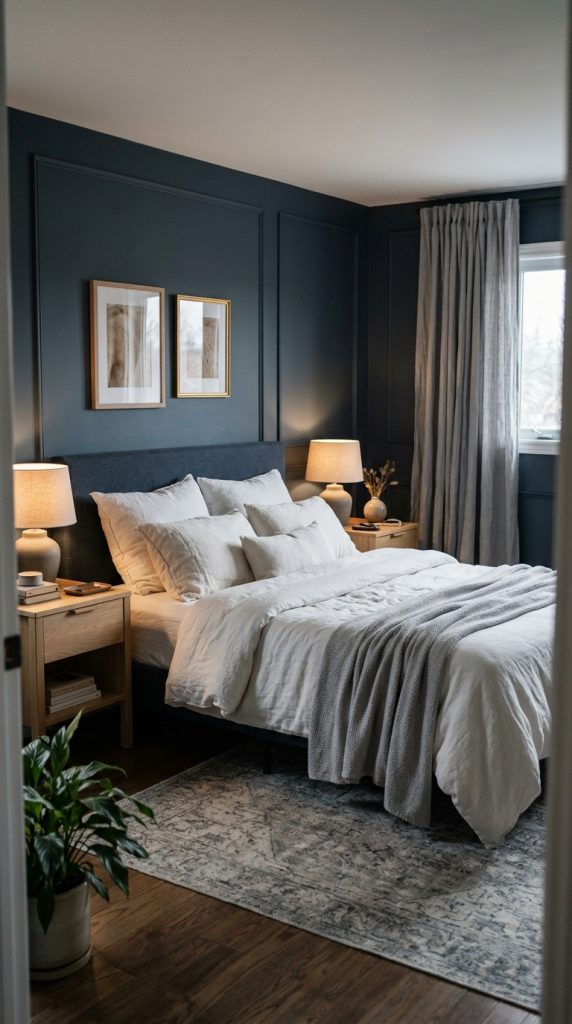
Moody blue shades, including deep navy and smoky blue, are stylish choices for adding depth and character to a home. Blue is also featured in 2026 paint palettes, with brands highlighting both airy and darker indigo-inspired tones. <Cite refs={[“turn298878search8″,”turn298878news18”]}/>
Use navy blue on a front door, accent wall, kitchen cabinets, or selected exterior sections. Smoky blue works well in bedrooms and living rooms where you want a relaxed, sophisticated atmosphere.
Pair blue with white, cream, light gray, or natural wood. For exterior designs, navy blue walls with white trim can create a classic yet modern appearance.
Best for: Modern bedrooms, contemporary exteriors, and elegant accent walls.
Styling tip: Use deeper blues selectively in smaller rooms, and test them in natural light before painting an entire wall.
7. Warm Taupe and Brown
Warm taupe and soft brown shades are becoming attractive alternatives to cooler gray neutrals. These colors create a grounded, comfortable atmosphere and work particularly well with natural textures. <Cite refs={[“turn298878news13″,”turn298878news17”]}/>
Use warm taupe on main walls and introduce deeper brown through furniture, doors, wood finishes, or accent walls. In a bedroom, combine taupe walls with cream bedding and warm wooden furniture.
For an exterior, a light taupe facade paired with dark brown details creates a balanced, elegant appearance.
Best for: Cozy living rooms, modern bedrooms, and warm contemporary exteriors.
Styling tip: Choose soft, muted browns rather than overly dark shades if you want to maintain a light and airy atmosphere.
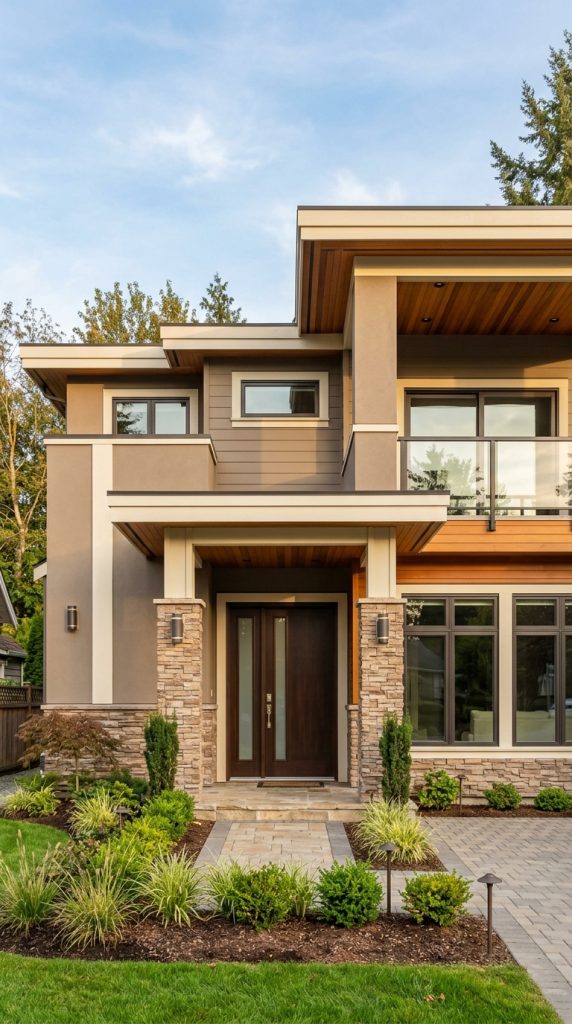
8. Charcoal Gray and Black
Charcoal gray and black create a bold, modern look that highlights architectural details. These deeper colors remain popular choices for contemporary exteriors, particularly when combined with lighter walls or natural materials. <Cite refs={[“turn298878search1″,”turn298878news18”]}/>
Use charcoal gray on exterior walls, a feature section, or a boundary wall. Black works well for window frames, metal railings, entrance doors, and other accents.
For interiors, consider a charcoal accent wall behind a bed or television. Combine it with warm white, beige, or wood finishes to create contrast.
Best for: Modern architecture, minimalist homes, and dramatic accent walls.
Styling tip: Use lighter colors alongside charcoal and black, especially in areas with limited natural light.
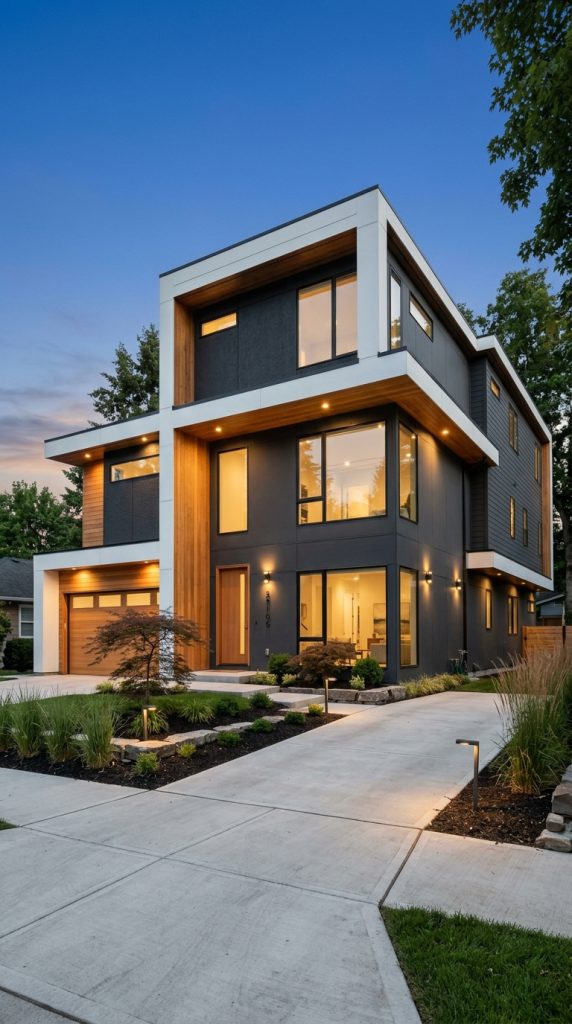
9. Muted Terracotta
Muted terracotta brings warmth and personality to modern homes. Inspired by natural clay, this earthy shade can make a room feel welcoming without appearing overly bright.
Use terracotta on a dining room accent wall, a bedroom feature wall, or selected exterior sections. Pair it with cream, beige, olive green, or natural wood for a harmonious color palette.
For a modern exterior, terracotta accents can add visual interest to a neutral facade. Inside the home, it works beautifully with woven baskets, ceramic accessories, and soft natural fabrics.
Best for: Mediterranean-inspired interiors, boho homes, and earthy modern designs.
Styling tip: Choose a dusty clay tone for a sophisticated appearance that complements neutral furniture.
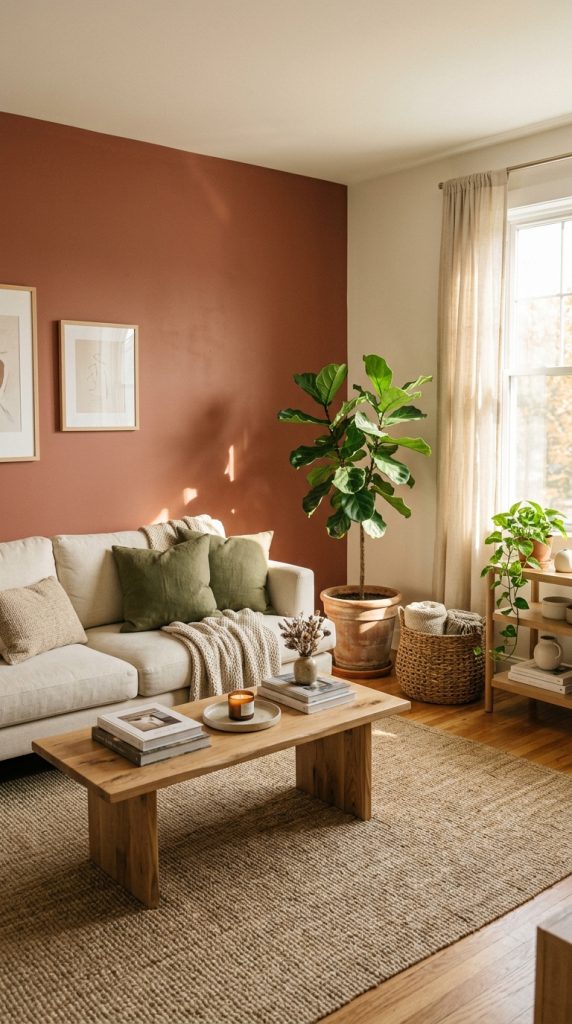
10. Dusty Pink and Soft Peach
Dusty pink and soft peach offer a gentle alternative to traditional beige and cream. These shades introduce warmth and personality while maintaining a soft, elegant appearance.
Use dusty pink in bedrooms, dressing areas, or selected living room walls. Soft peach can work beautifully in spaces that receive natural sunlight. For an exterior, consider a muted peach accent with cream trim rather than a highly saturated pink.
Pair these shades with warm white, light wood, champagne accents, or muted green for a coordinated look.
Best for: Romantic bedrooms, elegant interiors, and soft contemporary home designs.
Styling tip: Select muted shades with subtle undertones to keep the overall appearance modern rather than overly bright.
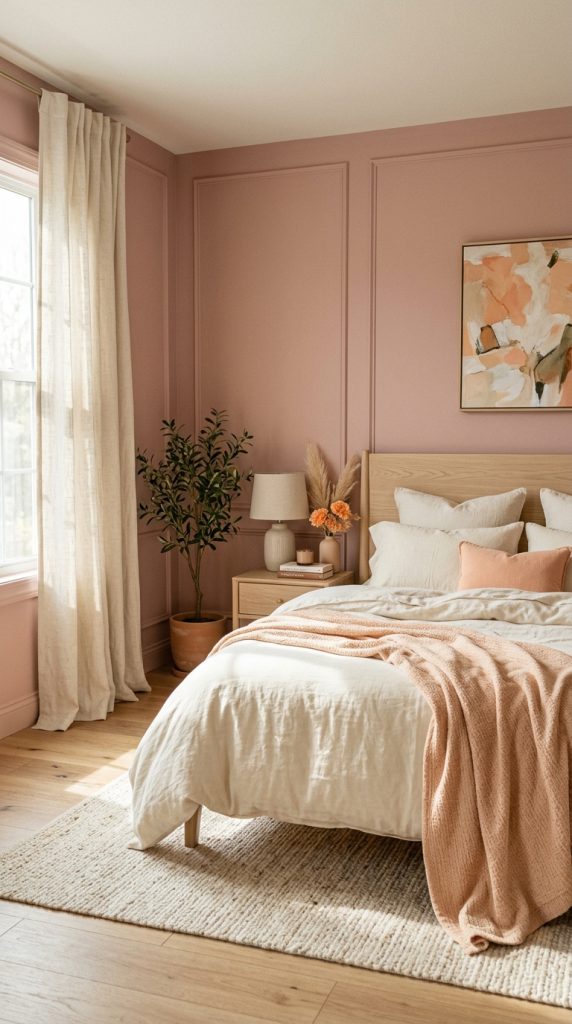
How to Choose the Best Trending House Paint Color
Before choosing a color, consider how it will look in your specific home. A shade that looks beautiful in a photograph may appear different under your lighting or alongside your existing finishes.
- Consider your home’s style: Minimalist houses often suit warm whites and greige, while earthy designs work well with olive green and terracotta.
- Check the lighting: Natural sunlight and artificial lighting can change how paint colors appear.
- Coordinate your finishes: Match your paint with flooring, roofing, tiles, doors, and furniture.
- Choose a balanced palette: Start with one main color, add a complementary shade, and use a third color for small accents if needed.
- Think about maintenance: Consider dust, moisture, sunlight, and the durability of the paint finish.
- Test before painting: Apply sample patches and view them at different times of day.
- Choose suitable paint: Use interior or exterior paint formulated for the surface and local conditions.
For exterior painting, lighter shades may be especially practical in hot climates because they generally absorb less solar heat than darker colors. The final effect also depends on the building materials and construction.
Final Thoughts
These 10 trending house paint colors ideas offer inspiration for creating a beautiful and modern home in 2026. Warm white, beige, and greige provide versatile foundations, while sage green and olive introduce natural character. Moody blue, charcoal gray, terracotta, and dusty pink offer more distinctive options for homeowners who want something different.
You do not need to follow every trend to create an attractive home. Choose colors that suit your personal taste, complement your surroundings, and work with your home’s natural lighting.
With careful planning, a coordinated color palette, and quality paint, you can give your home a fresh appearance that feels stylish and welcoming for years to come.
Leave a Reply