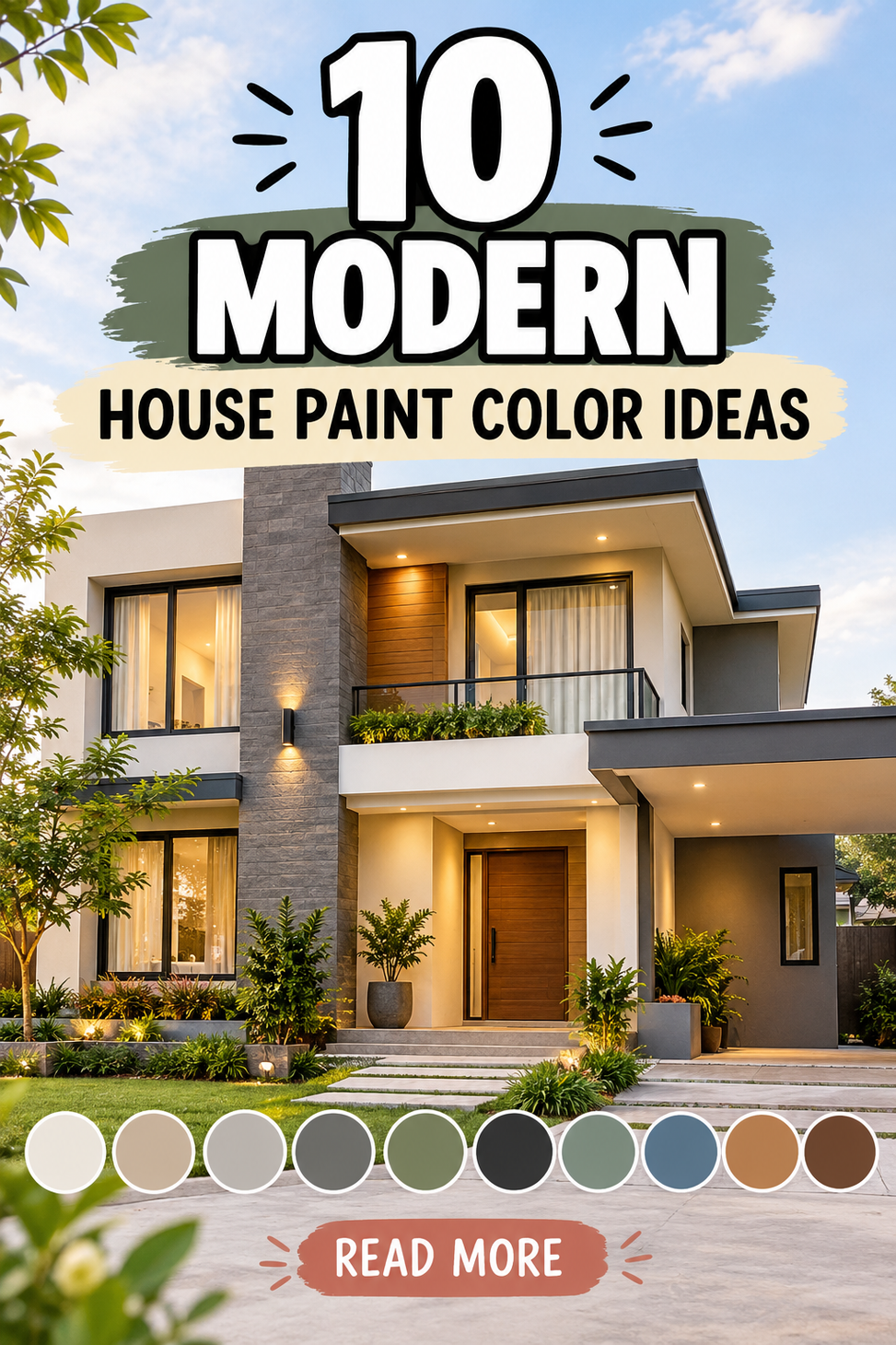
Choosing the right paint color can completely transform the appearance of your home. Whether you want a contemporary exterior, a cozy living room, or a sophisticated bedroom, modern house paint color ideas can help you create a beautiful and welcoming space. The right shades can make rooms feel brighter, highlight architectural details, and give your home’s exterior a fresh, updated look.
Modern home colors often combine neutral shades, earthy tones, soft pastels, and bold accent colors. Popular choices include warm white, greige, sage green, charcoal gray, beige, and muted blue. These colors work well with different architectural styles and can be paired with wood, stone, metal, and other natural materials.
In this guide, you’ll discover 10 modern house paint color ideas to inspire your next home makeover, along with practical tips for choosing colors that complement your space.
1. Warm White and Cream
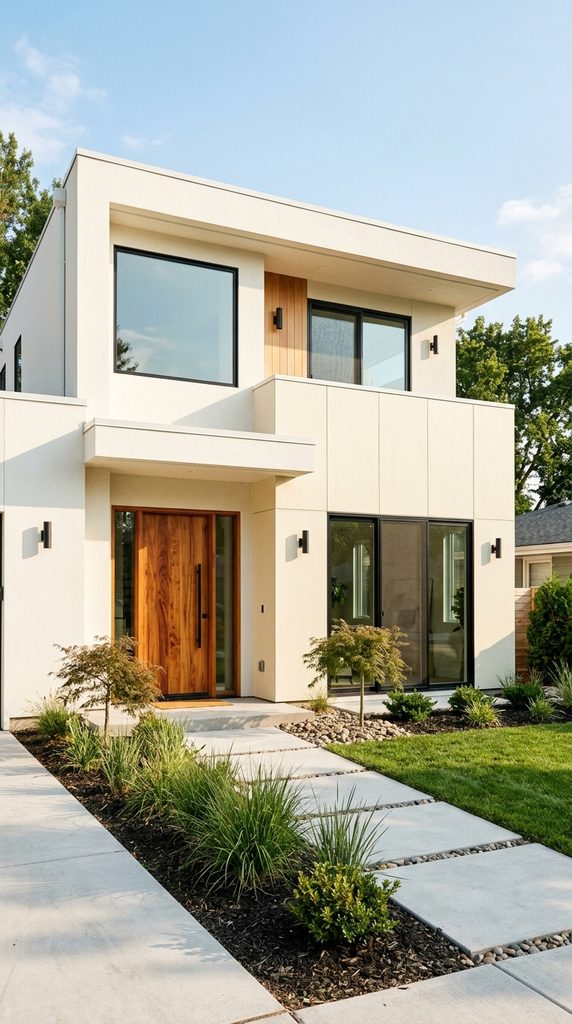
Warm white and cream are timeless paint colors that create a clean, bright, and elegant appearance. Unlike cooler whites, warm white has subtle yellow or beige undertones that make a space feel more inviting.
These shades work beautifully in living rooms, bedrooms, kitchens, hallways, and home exteriors. Warm white walls also provide a versatile background for wooden furniture, neutral fabrics, indoor plants, and colorful artwork.
For an exterior, pair creamy walls with black window frames, natural stone, or a wooden front door. Inside the home, combine warm white walls with beige upholstery and soft lighting for a cozy modern look.
Best for: Minimalist homes, contemporary interiors, and bright exterior designs.
Styling tip: Test a paint sample in both natural daylight and evening lighting because white shades can look different throughout the day.
2. Greige for a Sophisticated Look
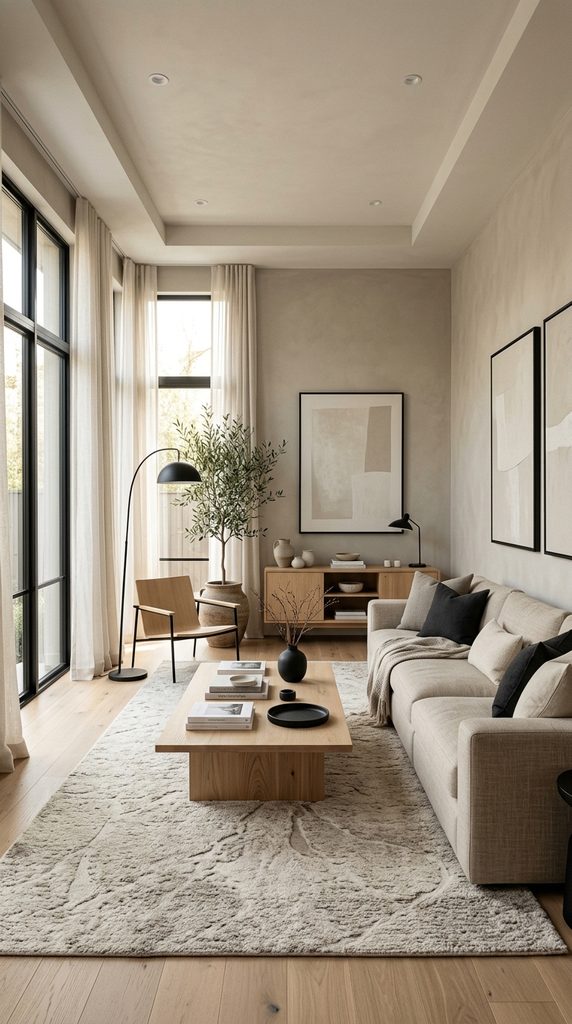
Greige is a blend of gray and beige that offers the best qualities of both colors. It looks modern and understated while maintaining a warm, comfortable atmosphere.
This versatile shade works particularly well in open-plan living areas, bedrooms, dining rooms, and home offices. Greige walls complement cream sofas, wooden floors, black fixtures, and brushed-metal accessories.
For a coordinated interior, use a light greige on the walls and a deeper shade on an accent wall or cabinetry. On the exterior, greige pairs beautifully with white trim and dark gray details.
Best for: Modern apartments, elegant living rooms, and neutral home designs.
Styling tip: Choose a warmer greige for rooms with limited natural light and a cooler version for spaces with abundant sunlight.
3. Sage Green for a Natural Feel
Sage green is a muted green shade inspired by nature. It brings a calm, refreshing quality to modern homes without feeling too bright or overwhelming.
Use sage green in bedrooms, living rooms, kitchens, or reading corners. It looks especially attractive alongside light oak furniture, cream fabrics, rattan accessories, and indoor plants.
For a modern exterior, sage green can create a distinctive appearance when paired with white trim, stone details, and a natural wood door. If you prefer a subtle look, paint only one interior wall sage green and keep the remaining walls neutral.
Best for: Nature-inspired interiors, modern farmhouse homes, and relaxing bedrooms.
Styling tip: Pair sage green with warm white and natural wood to maintain a balanced, airy look.
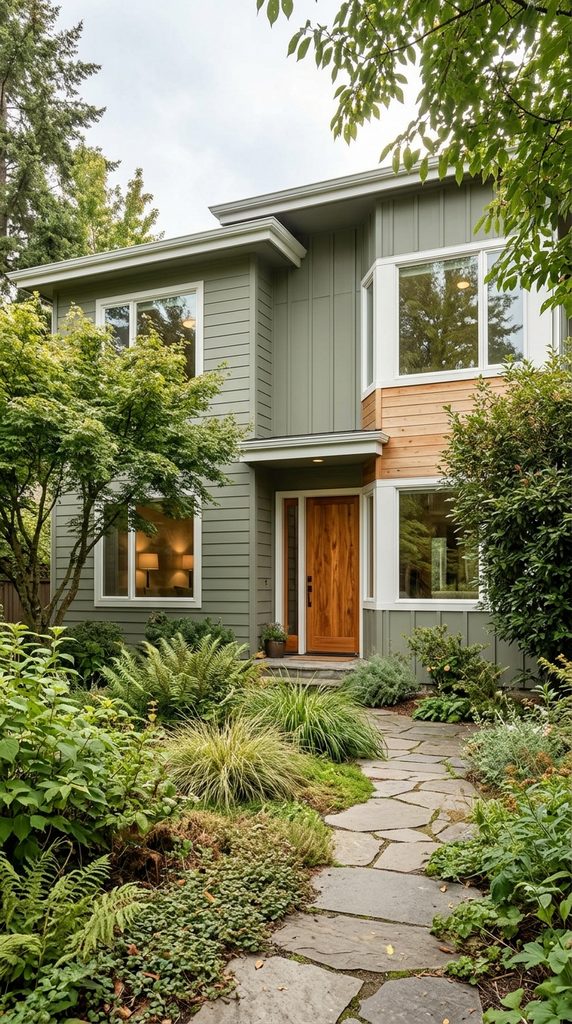
4. Charcoal Gray for a Bold Modern Exterior
Charcoal gray is a deep, dramatic shade that gives a house a contemporary and architectural appearance. It can make exterior details look sharper and create a striking contrast with lighter colors.
For a modern exterior, combine charcoal gray walls with white trim, black metal fixtures, or warm wooden accents. This combination works particularly well on contemporary houses with simple geometric shapes.
Indoors, charcoal gray can be used on an accent wall, behind a television, or in a home office. In smaller rooms, use it selectively so the space does not feel too dark.
Best for: Contemporary house exteriors, accent walls, and modern industrial interiors.
Styling tip: Balance dark gray with lighter surfaces and warm lighting to prevent the design from feeling cold.
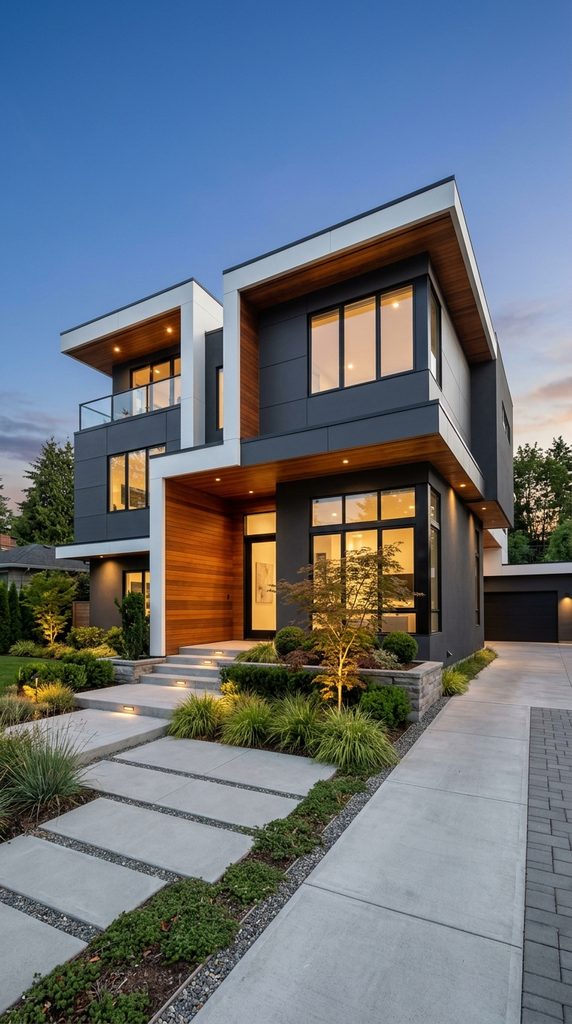
5. Beige and Sand for Warm Elegance
Beige and sand tones create a soft, welcoming atmosphere that suits both traditional and modern homes. These earthy neutrals feel relaxed and pair easily with many furniture styles.
Use beige in living rooms, bedrooms, hallways, and exterior walls. Sand-colored paint looks beautiful with cream curtains, wooden furniture, textured fabrics, and natural stone.
For exterior designs, combine sandy beige walls with white borders and a dark brown or black front door. Indoors, layer different shades of beige to create depth without relying on bold colors.
Best for: Warm minimalist homes, cozy interiors, and elegant house exteriors.
Styling tip: Mix smooth painted surfaces with textured rugs, linen curtains, or wooden furniture to make a neutral room feel more interesting.
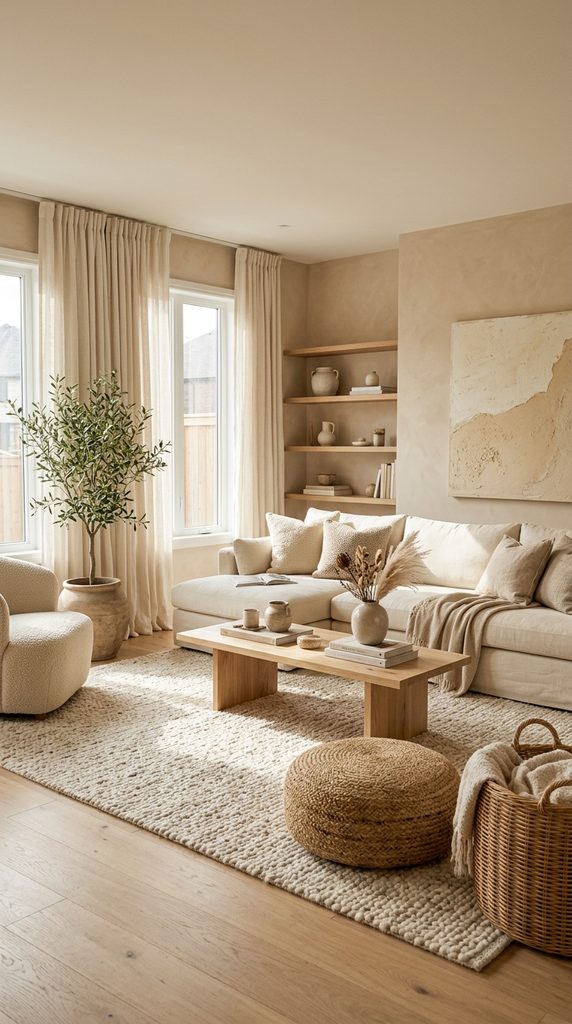
6. Dusty Blue for a Calm and Contemporary Home
Dusty blue is a muted blue shade with subtle gray undertones. It adds color while maintaining the understated appearance associated with modern interiors.
This shade works well in bedrooms, bathrooms, living rooms, and study areas. Dusty blue pairs beautifully with white trim, pale wood, silver hardware, and soft gray textiles.
For a more dramatic look, combine dusty blue with navy accessories or deeper blue cabinetry. For a softer appearance, pair it with warm white, beige, and natural textures.
Best for: Peaceful bedrooms, modern coastal interiors, and contemporary home offices.
Styling tip: Use dusty blue in rooms where you want a relaxed atmosphere, and test samples to make sure the undertone suits your lighting.
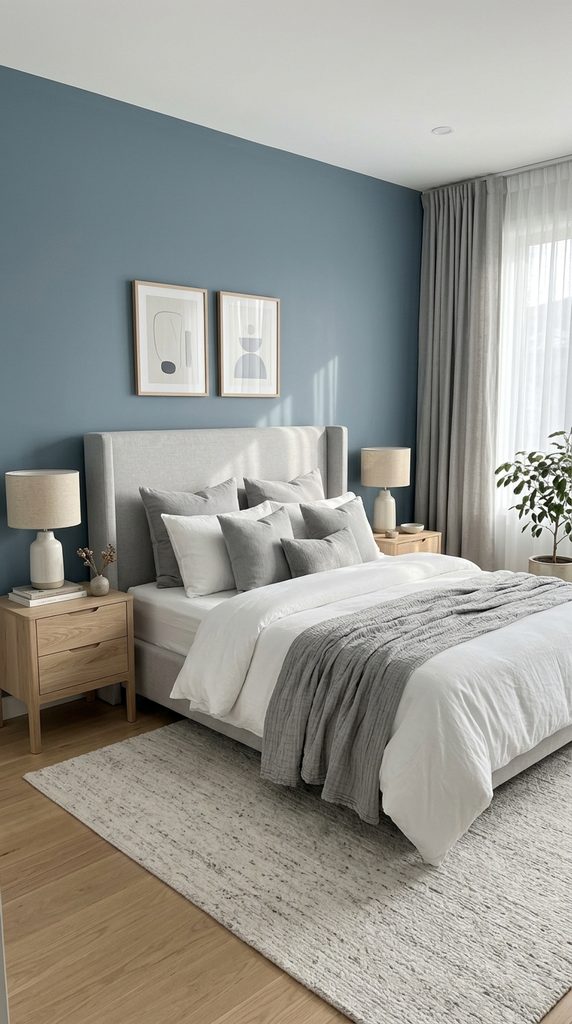
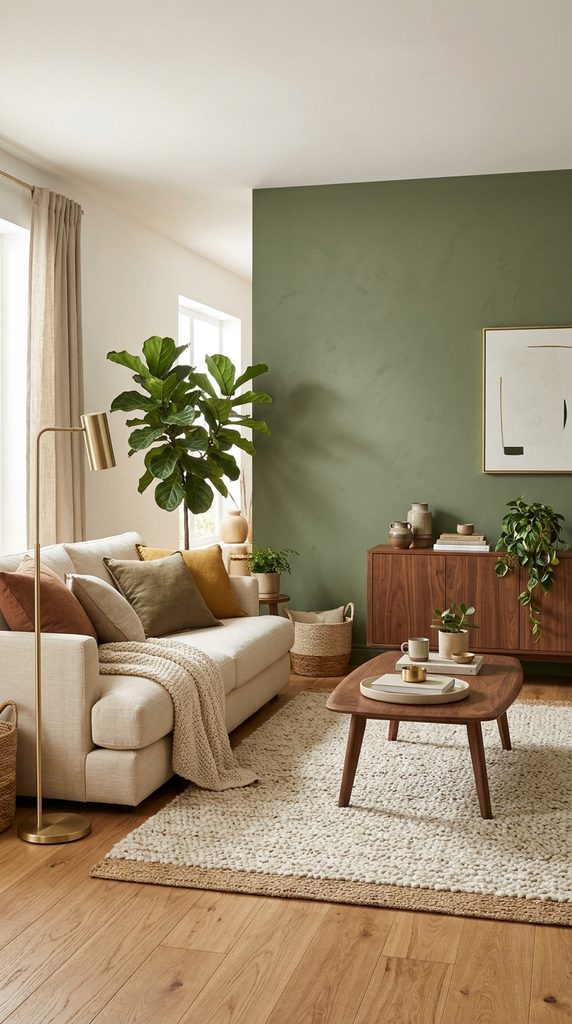
7. Olive Green for an Earthy Modern Style
Olive green is a deeper, earthier shade than sage green. It creates a rich, sophisticated look and works particularly well with natural materials.
Use olive green on a feature wall, kitchen cabinets, a study area, or selected exterior sections. Pair it with cream, warm beige, walnut wood, brass details, or matte black accessories.
For an exterior, olive green can look elegant with off-white trim and natural stone. Indoors, it creates a cozy atmosphere when balanced with lighter furniture and soft fabrics.
Best for: Earthy modern interiors, statement walls, and nature-inspired exterior designs.
Styling tip: Choose a muted olive rather than a highly saturated green if you want a subtle, timeless appearance.
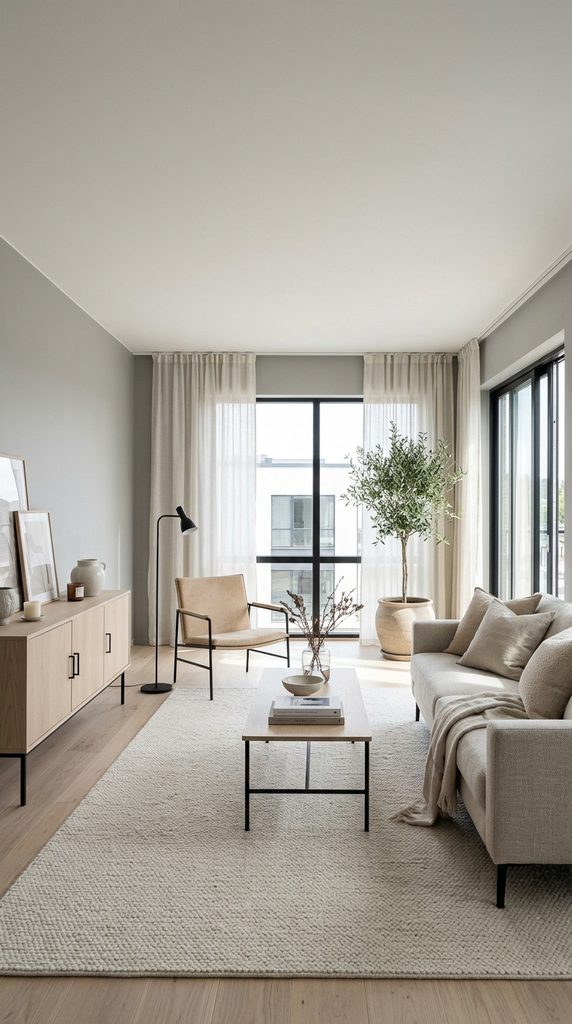
8. Soft Gray for a Clean Minimalist Look
Soft gray is a flexible neutral that creates a calm, contemporary appearance. It can make a room feel polished without drawing too much attention away from furniture and decorative accessories.
Use light gray in living rooms, bedrooms, kitchens, and hallways. It works well with white ceilings, black accents, glass furniture, and pale wood.
For a modern exterior, soft gray walls can be paired with white trim and a dark front door. Inside, combine gray walls with warm textiles or wooden accessories to avoid a flat or overly cool appearance.
Best for: Minimalist homes, contemporary apartments, and understated exterior designs.
Styling tip: Look at the paint’s undertones before purchasing. Some grays lean blue, while others have warmer beige or green undertones.
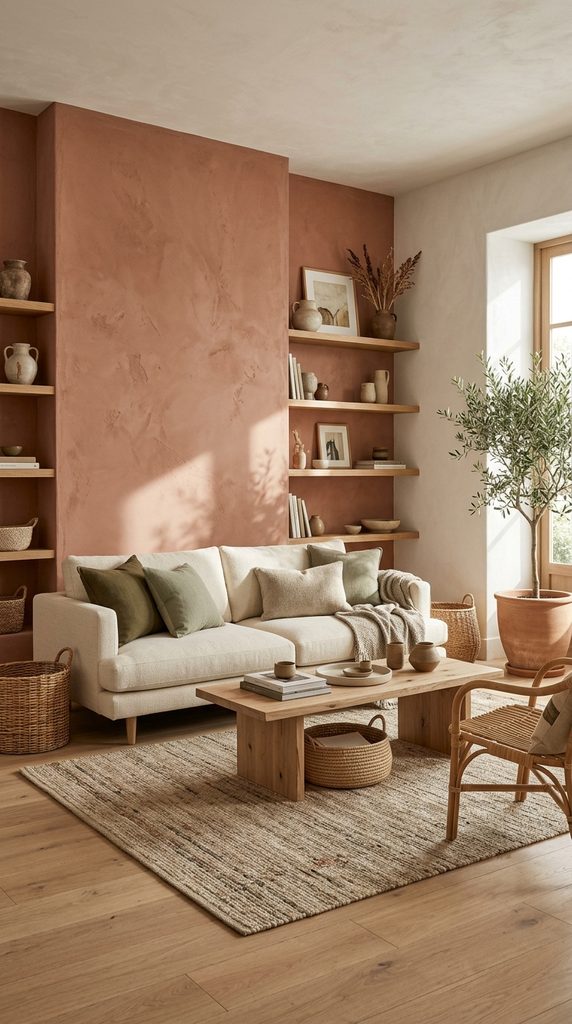
9. Terracotta for a Warm Statement
Terracotta is a warm, earthy color inspired by clay, baked earth, and natural landscapes. It adds personality to a modern home while maintaining a welcoming, organic feel.
Use terracotta on an accent wall, in a dining area, or in a bedroom with neutral bedding. It pairs well with cream, sand, olive green, natural wood, and woven accessories.
For exterior styling, a muted terracotta shade can create a distinctive look when paired with cream trim and earthy landscaping. If you prefer a more subtle effect, consider a dusty clay shade rather than a bright orange-red.
Best for: Mediterranean-inspired homes, bohemian interiors, and warm contemporary designs.
Styling tip: Keep surrounding colors relatively neutral so terracotta remains the focal point.
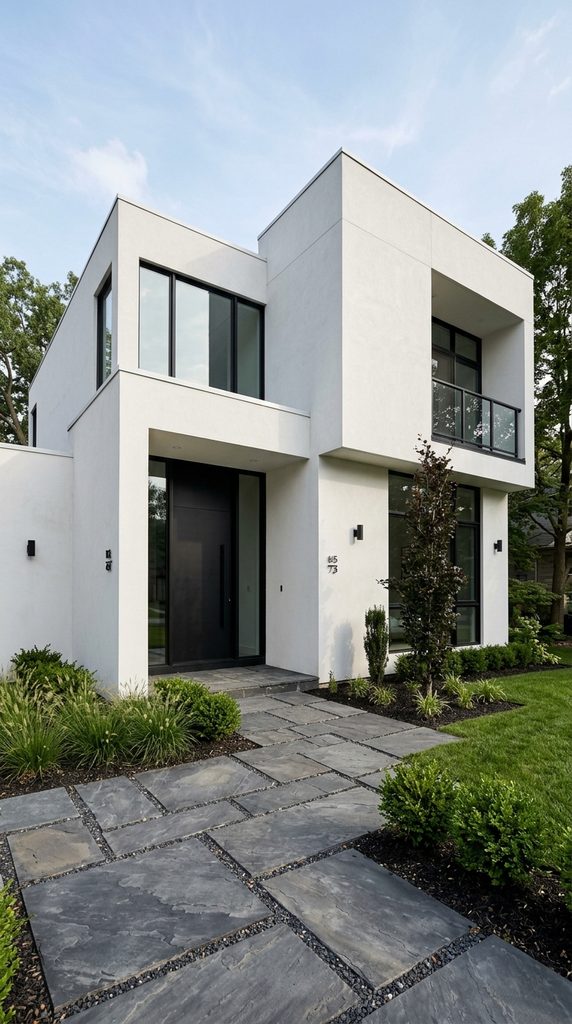
10. Black and White for a Classic Modern Finish
Black and white is a timeless color combination that creates a sharp, sophisticated appearance. The contrast makes architectural details stand out and gives a home a clean, modern identity.
For exterior walls, use white as the main color and black for window frames, railings, doors, or selected architectural details. This creates a balanced design without making the house appear too dark.
Inside the home, white walls paired with black light fixtures, furniture frames, or decorative accessories can create a minimalist aesthetic. Add wood, greenery, or warm fabrics to soften the contrast.
Best for: Modern house exteriors, minimalist interiors, and contemporary architectural styles.
Styling tip: Use black as an accent rather than covering every wall, particularly in small or poorly lit rooms.
How to Choose the Best Modern House Paint Colors
Before choosing a paint color, consider how it will work with your home’s architecture, lighting, and existing finishes.
- Check natural light: Bright rooms can accommodate deeper shades, while darker rooms often benefit from lighter, warmer colors.
- Consider the exterior materials: Match your paint with roofing, stone, brick, doors, window frames, and other fixed features.
- Choose a coordinated palette: Use one main color, one supporting neutral, and an optional accent color.
- Test paint samples: Apply samples to a small section of the wall and observe them at different times of day.
- Think about maintenance: Very dark or very light exterior finishes may show certain types of dust, stains, or fading more noticeably depending on the paint and local conditions.
- Select the right finish: Matte finishes can help minimize the appearance of small wall imperfections, while suitable washable finishes can be practical for busy areas.
- Use exterior-appropriate paint: Choose products designed for your surface and local climate, following the manufacturer’s preparation and application instructions.
Final Thoughts
The best modern house paint color is one that complements your home’s architecture while reflecting your preferred style. Warm white and beige create a timeless foundation, sage and olive green introduce natural character, and charcoal gray or black accents add a contemporary edge.
If you’re unsure where to start, choose a neutral base and introduce one distinctive color through an accent wall, front door, or architectural detail. Test your favorite shades before committing to a full paint job, and consider how they look in natural and artificial light.
With a carefully selected color palette, even a simple repaint can give your home a fresh, stylish, and welcoming appearance.
Leave a Reply