

Creating a beautiful home doesn’t have to mean spending a lot of money. With a little creativity and thoughtful planning, you can refresh your rooms, add personality, and create a more comfortable atmosphere without going over your budget.
The best budget-friendly home decor ideas focus on making small changes that have a noticeable impact. From rearranging furniture and adding affordable textiles to updating walls and bringing nature indoors, simple decorating tricks can make your home feel completely different.
Whether you’re decorating an apartment, refreshing a family home, or simply looking for inexpensive ways to update your space, these ten ideas can help you achieve a stylish look while keeping costs under control.
1. Rearrange Your Furniture
Before buying anything new, try rearranging the furniture you already own. Changing the position of your sofa, chairs, bed, or dining table can completely change the way a room looks and feels.
Move furniture away from walls when appropriate, create a more inviting conversation area, or change the direction of your seating arrangement. Sometimes a better layout is all you need to make a room feel refreshed.
Consider traffic flow as you rearrange. Leave enough space for people to move comfortably through the room and avoid blocking doors, windows, or frequently used pathways.
Budget tip: Take photos of your room before and after rearranging so you can easily compare different layouts.

2. Refresh Your Space with Throw Pillows
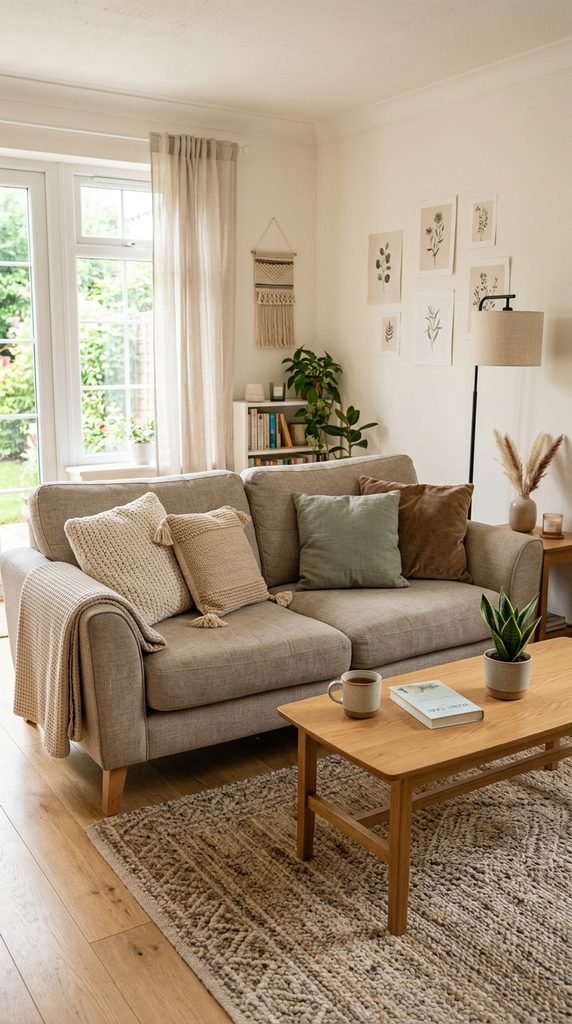
Throw pillows are an inexpensive way to introduce new colors and textures. Instead of replacing an entire sofa or bedroom set, simply change the pillow covers.
Look for affordable covers in materials such as cotton, linen blends, or textured fabrics. Mixing solid colors with subtle patterns can create a layered appearance without looking excessive.
For a cohesive room, choose pillow colors that already appear in your rug, artwork, curtains, or other accessories.
You can also rotate pillow covers seasonally to give the room a fresh appearance throughout the year.
3. Create a Gallery Wall with Affordable Art
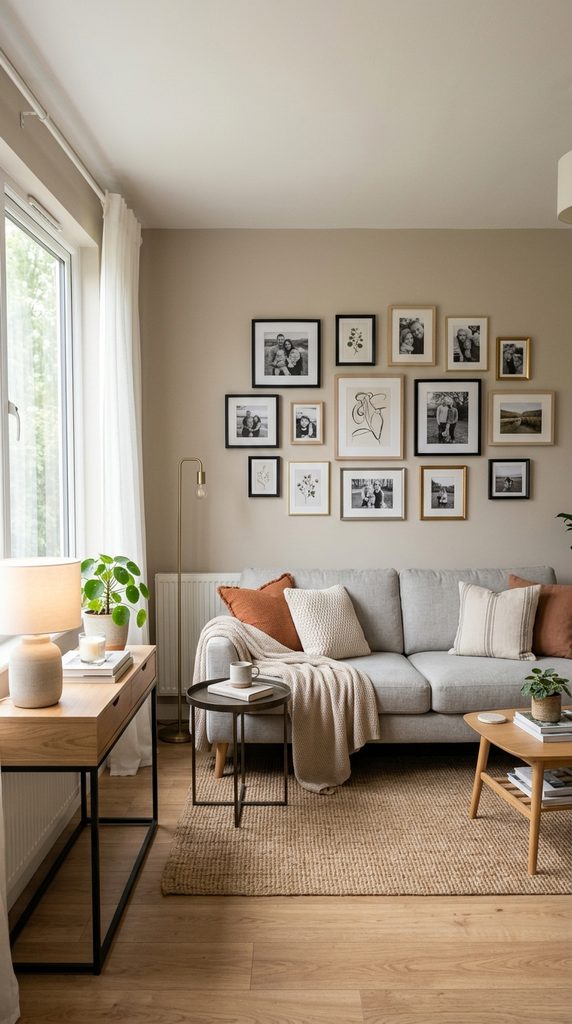
Wall art can transform an empty wall, but you don’t need expensive original artwork to create an attractive display.
Use affordable prints, family photographs, postcards, children’s artwork, or simple illustrations. Frames can often be reused from other rooms or purchased inexpensively from secondhand stores.
For a modern appearance, use frames in similar colors and arrange them in a clean grid. For a more relaxed look, combine different frame sizes while maintaining a consistent color palette.
A small gallery wall above a console, sofa, or desk can become an attractive focal point.
4. Bring in Affordable Indoor Plants
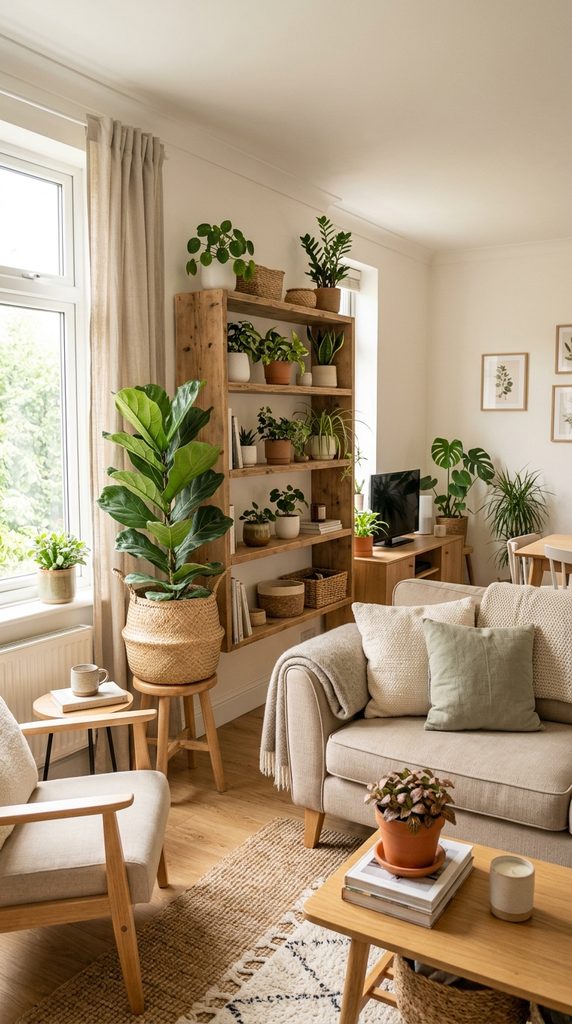
Plants are one of the easiest ways to add color and life to your home. You don’t need a large collection of expensive plants to make an impact.
Start with a few low-maintenance varieties that suit your home’s lighting conditions. Place a small plant on a shelf, console table, or windowsill, and use a larger plant to fill an empty corner.
If live plants aren’t practical, realistic faux greenery can provide a similar decorative effect.
Use simple baskets, recycled containers, or affordable ceramic pots as planters to keep the overall cost low.
5. Update Your Lighting
Changing lighting can dramatically affect the atmosphere of a room. Fortunately, you don’t necessarily need expensive fixtures.
Replace harsh or outdated bulbs with warmer lighting where appropriate. Add affordable table lamps, floor lamps, string lights, or rechargeable accent lights to create different layers of illumination.
You can also update an existing lamp by replacing its shade or refreshing the surrounding area with a small decorative arrangement.
For cozy spaces, use several smaller light sources rather than relying entirely on one bright overhead fixture.

6. Give Old Furniture a New Look
Instead of replacing furniture that still works well, consider giving it a makeover. A fresh coat of paint or stain can make an old table, chair, cabinet, or shelf look completely different.
Simple hardware changes can also have a surprisingly large effect. Replacing outdated knobs or handles with modern alternatives can instantly refresh a cabinet or dresser.
Before starting a furniture makeover, clean and prepare the surface properly and choose products suitable for the material and intended use.
This approach allows you to personalize existing pieces while reducing unnecessary spending.

7. Decorate with Thrifted and Secondhand Finds
Secondhand shopping can be an excellent way to discover unique home decor at affordable prices. Look for decorative bowls, vases, mirrors, frames, baskets, lamps, and small furniture pieces.
The best finds don’t necessarily need to match perfectly. A combination of vintage and modern pieces can create a home that feels more personal and collected.
When shopping secondhand, focus on quality, condition, and whether the item genuinely works with your existing decor.
A single distinctive vintage mirror or wooden stool can sometimes make more of an impact than several inexpensive decorative accessories.

8. Use Removable Wallpaper or Wall Decals
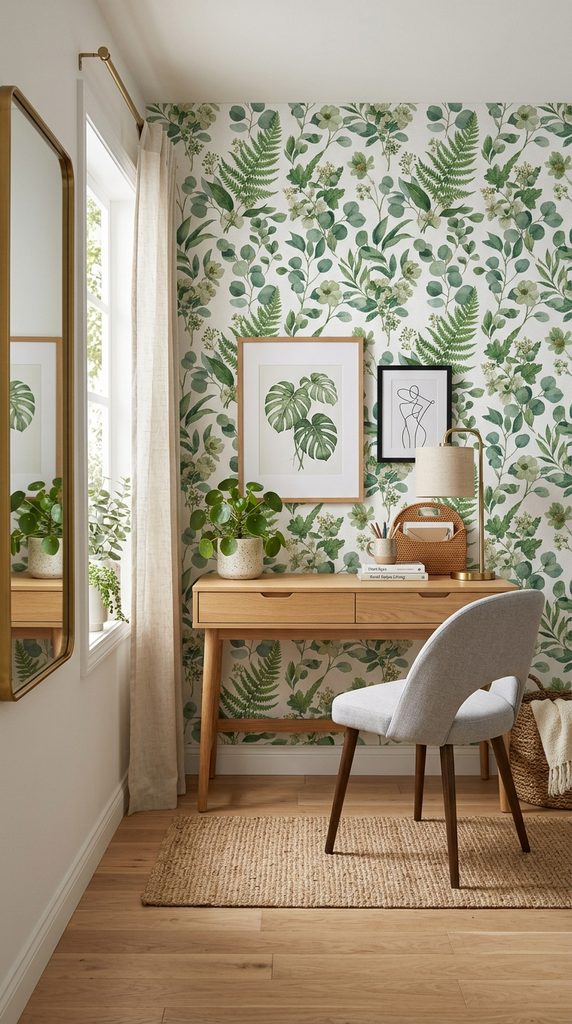
If your walls feel plain, removable wallpaper or wall decals can create a dramatic change without the commitment of permanent wallpaper.
Use them on an accent wall, behind a desk, inside a reading nook, or even on the back of a shelving unit.
Choose subtle botanical designs, geometric patterns, textured appearances, or neutral colors for a timeless look.
For renters, removable options can be especially useful, but always follow the product instructions and check whether the material is suitable for your wall surface.
9. Make Your Own Simple Decor
DIY projects can provide an affordable way to create personalized decorations. You can make simple wall art, painted vases, decorative trays, fabric-covered boards, or customized frames using inexpensive materials.
Look around your home before purchasing supplies. An old frame, unused basket, glass jar, or leftover fabric may have potential as a decorative piece.
The goal isn’t to fill your home with handmade objects. Choose a few projects that add genuine personality or solve a practical decorating need.
Simple DIY pieces can make a room feel more individual without requiring a large budget.
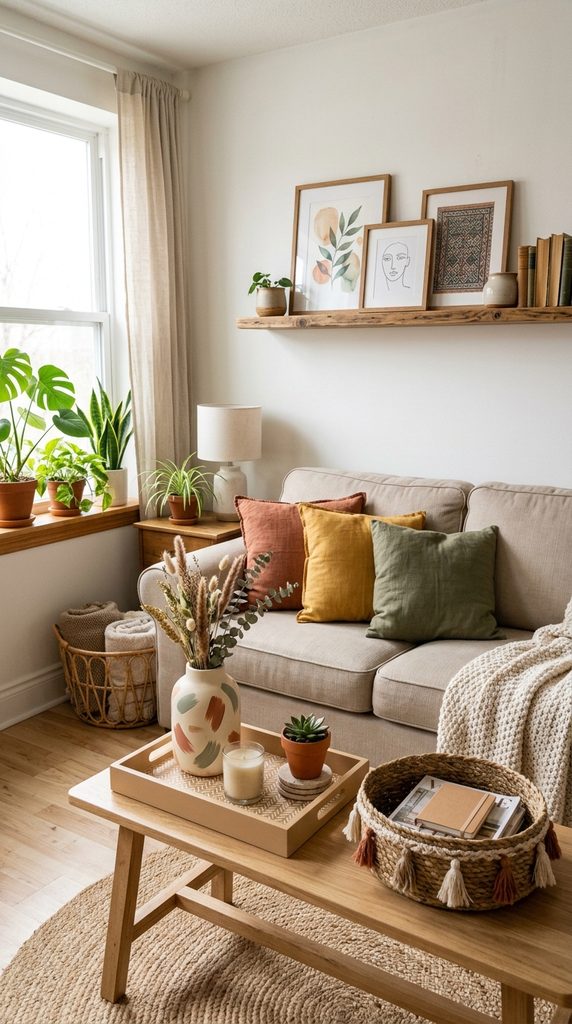
10. Declutter and Style What You Already Own
Sometimes the most affordable home makeover is simply removing unnecessary items. Clutter can make even expensive furniture and decor look less appealing.
Start with one room or surface at a time. Remove objects that no longer serve a purpose, then organize the remaining items.
After decluttering, style your favorite pieces thoughtfully. Group similar objects together, vary their heights, and leave some empty space around them.
A clean coffee table, organized bookshelf, or simplified entryway can make your entire home feel more polished without costing anything.

How to Decorate Your Home on a Small Budget
A successful budget home decor project starts with a plan. Before buying anything, walk through your home and identify the areas that need the most attention.
Make a list of what you already own and consider whether an item can be moved, repainted, repaired, or used in another room. This prevents unnecessary purchases.
When you do need to shop, prioritize pieces that provide both function and style. A storage basket, mirror, lamp, or attractive rug can often have a bigger impact than several small decorative objects.
It’s also helpful to decorate gradually. You don’t need to complete every room at once. Small improvements over time can create a more thoughtful and personalized home.
Budget-Friendly Decor Mistakes to Avoid
One common mistake is buying too many inexpensive accessories simply because they are affordable. A room can quickly become cluttered, even when every individual item is inexpensive.
Instead, choose fewer pieces that you genuinely like.
Another mistake is ignoring scale. Small accessories can disappear in a large room, while oversized furniture can make a small space feel crowded. Always consider the proportions of your room before purchasing decor.
Finally, avoid chasing every decorating trend. Trends can be fun, but timeless colors, useful furniture, and personal details usually provide better long-term value.
Final Thoughts
Beautiful home decor doesn’t have to come with a high price tag. With a little creativity, you can transform your space by rearranging furniture, changing textiles, updating lighting, adding plants, refreshing old furniture, shopping secondhand, and decluttering.
The most important part of budget decorating is making thoughtful choices. Focus on changes that improve both the appearance and functionality of your home, and don’t be afraid to work with what you already have.
A stylish home is less about how much you spend and more about how intentionally you use the space.
Leave a Reply