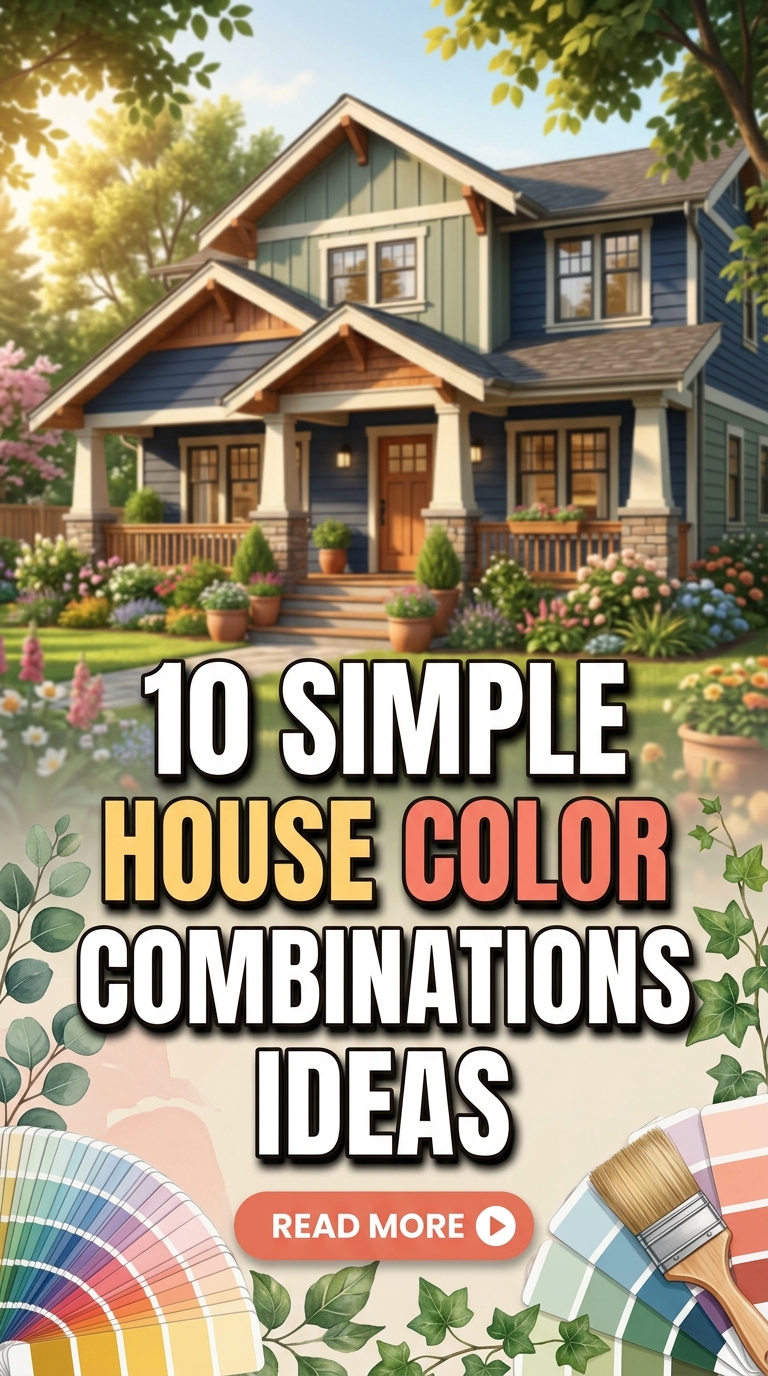
Choosing the right house color combination can make your home look beautiful, modern, and welcoming. Whether you are painting a small house, updating an older exterior, or planning a fresh look for a newly built home, simple color combinations can create a stylish appearance without making the design feel too busy.
The best house paint colors complement your roof, windows, doors, and surrounding landscape. Neutral shades such as white, beige, and gray offer a timeless look, while sage green, soft blue, and earthy brown add personality and warmth. By combining two or three coordinated colors, you can create an attractive exterior that suits your home’s architecture.
If you are looking for inspiration, these 10 simple house color combinations ideas will help you discover beautiful exterior paint palettes for a modern and elegant home.
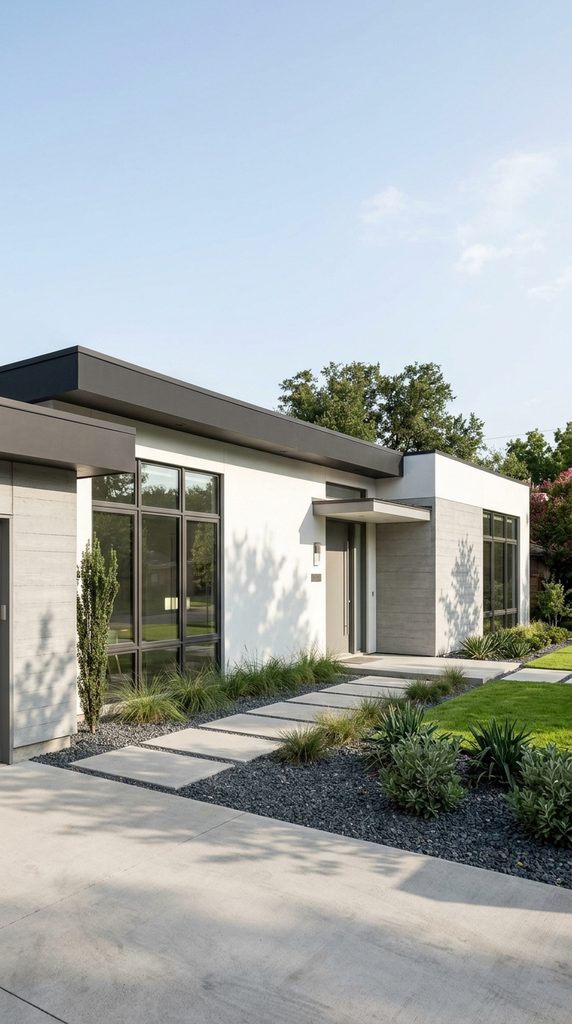
1. White and Light Gray House Colors
White and light gray create a clean, fresh, and modern exterior. White keeps the house looking bright, while light gray adds subtle contrast around architectural features. This combination works well for contemporary houses, small homes, and minimalist bungalow designs.
Best combination: Soft white walls, light gray accents, and charcoal window frames.
Styling tip: Add simple landscaping and a dark front door for an elegant finish.
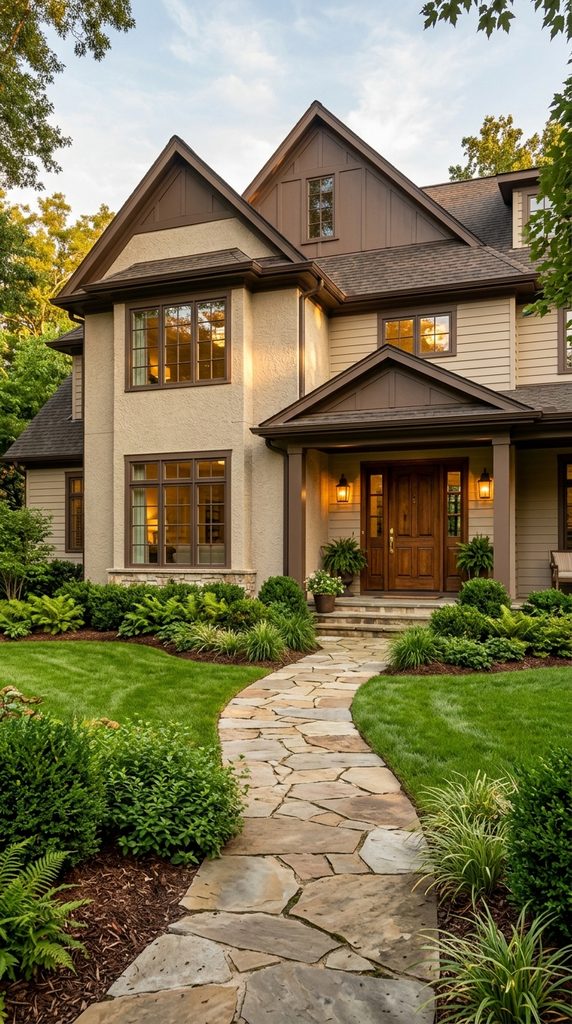
2. Beige and Brown House Colors
Beige and brown create a warm, natural appearance that never feels overly complicated. Beige works beautifully as the main exterior color, while brown highlights doors, porch columns, roof edges, and other architectural details.
Best combination: Sand beige walls, chocolate brown accents, and natural wood details.
Styling tip: Use stone textures or wooden planters to complement this earthy color palette.
3. Cream and Olive Green House Colors
Cream and olive green bring together a soft neutral shade and a rich, nature-inspired accent. This combination is ideal for homeowners who want a welcoming exterior with a little more character than traditional white and beige.
Best combination: Cream walls, muted olive green accents, and dark brown doors.
Styling tip: Add green shrubs and simple outdoor lighting to enhance the natural appearance.
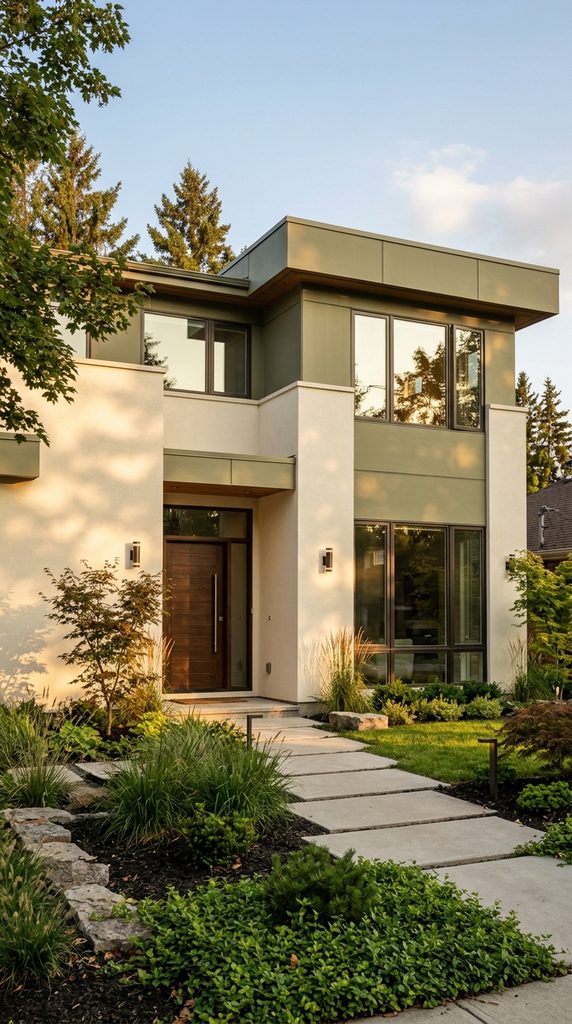
4. White and Navy Blue House Colors
White and navy blue create a striking yet timeless exterior. White makes the house look bright, while navy blue adds depth and sophistication. The combination works especially well on modern homes with clean lines and simple architectural details.
Best combination: White exterior walls, navy blue front door, and dark window frames.
Styling tip: Use navy blue on selected sections rather than every wall to maintain a balanced appearance.
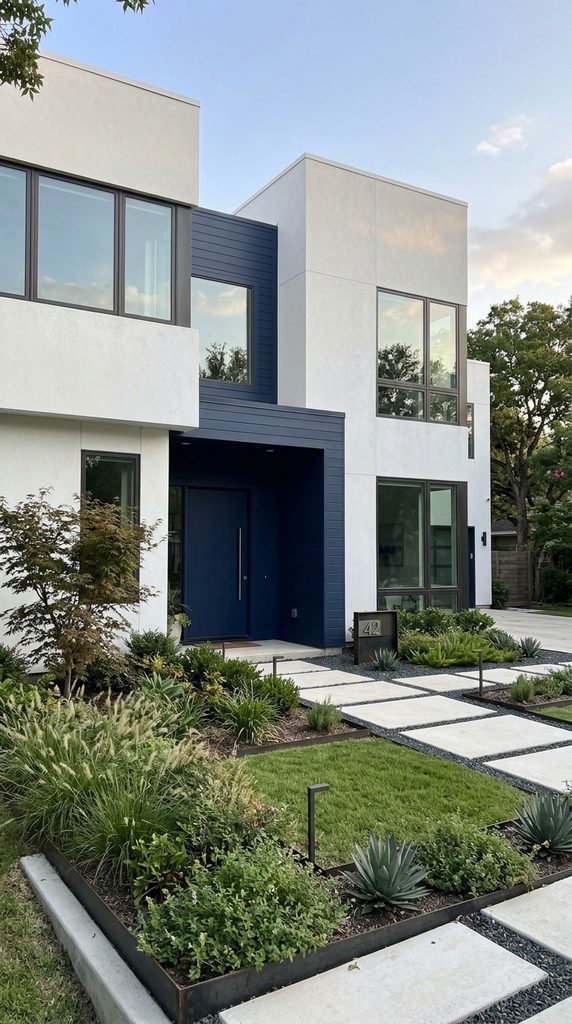
5. Greige and White House Colors
Greige, a blend of gray and beige, is an excellent option for a subtle modern exterior. It provides more warmth than traditional gray and looks elegant when paired with white trim.
Best combination: Light greige walls, white borders, and charcoal gray accents.
Styling tip: Choose warm outdoor lighting and natural wood accessories to make the exterior feel inviting.
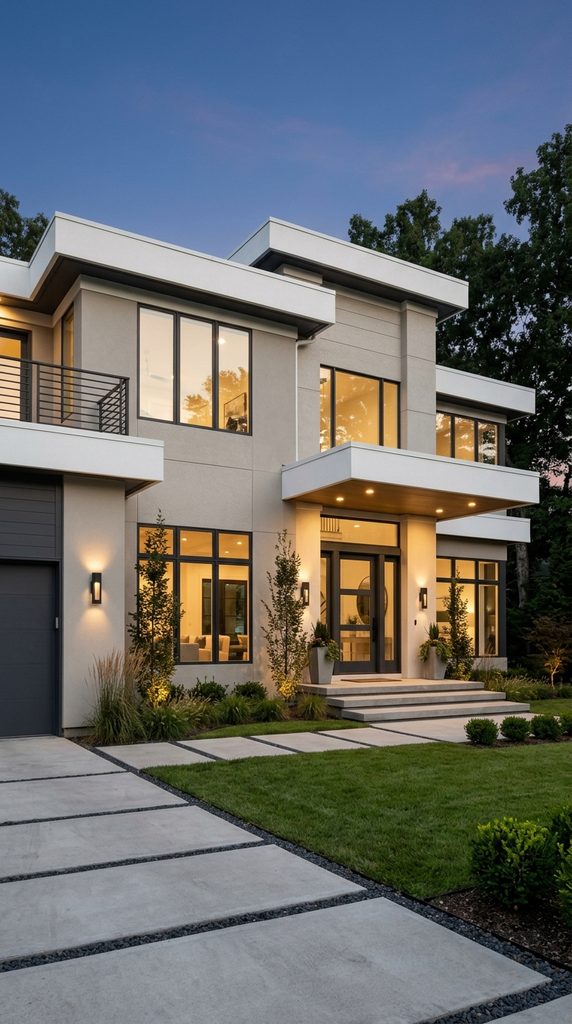
6. Sage Green and White House Colors
Sage green and white create a peaceful, fresh, and natural appearance. Sage green adds gentle color without overwhelming the design, while white trim highlights windows, rooflines, and porch details.
Best combination: Muted sage green walls, white trim, and a natural wood front door.
Styling tip: This palette looks especially attractive with flowering plants, a neat lawn, and simple garden paths.
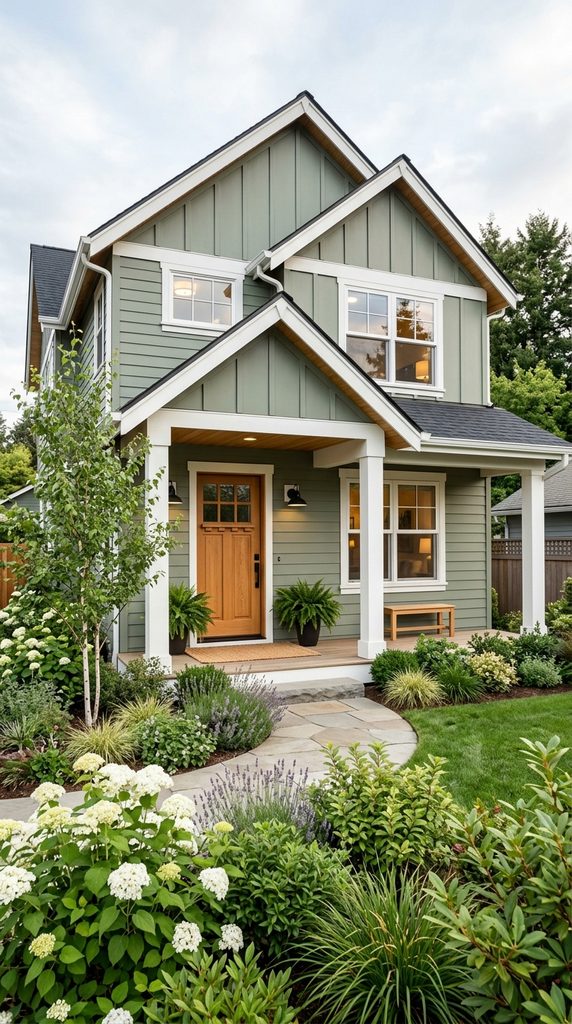
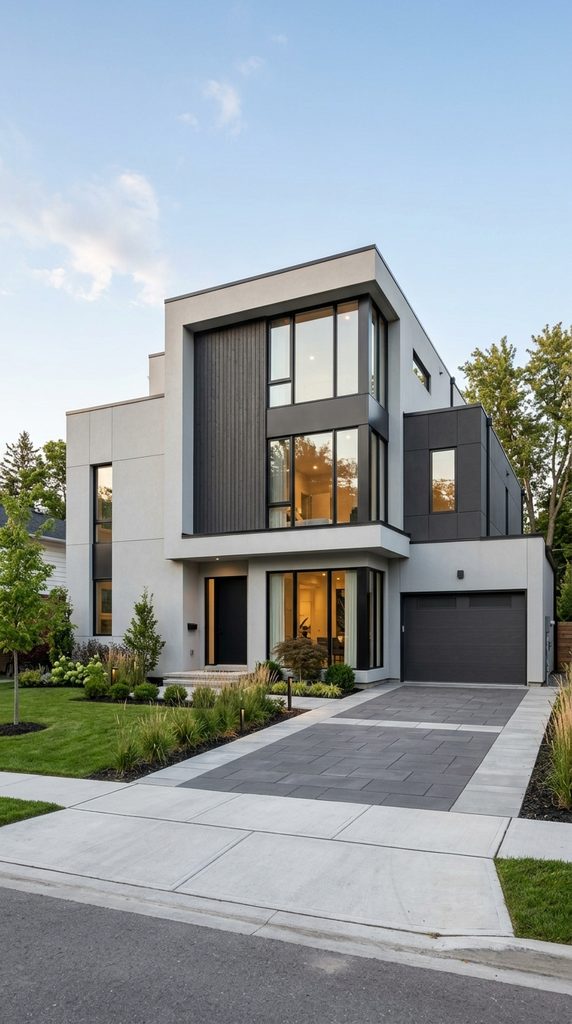
7. Light Gray and Charcoal House Colors
Light gray and charcoal offer a sophisticated combination for modern house exteriors. The lighter shade keeps the overall appearance balanced, while charcoal emphasizes architectural features and creates a bold contrast.
Best combination: Light gray walls, charcoal accents, and black window frames.
Styling tip: Use charcoal around the entrance or on a feature wall to create a strong focal point.
8. White and Natural Wood House Colors
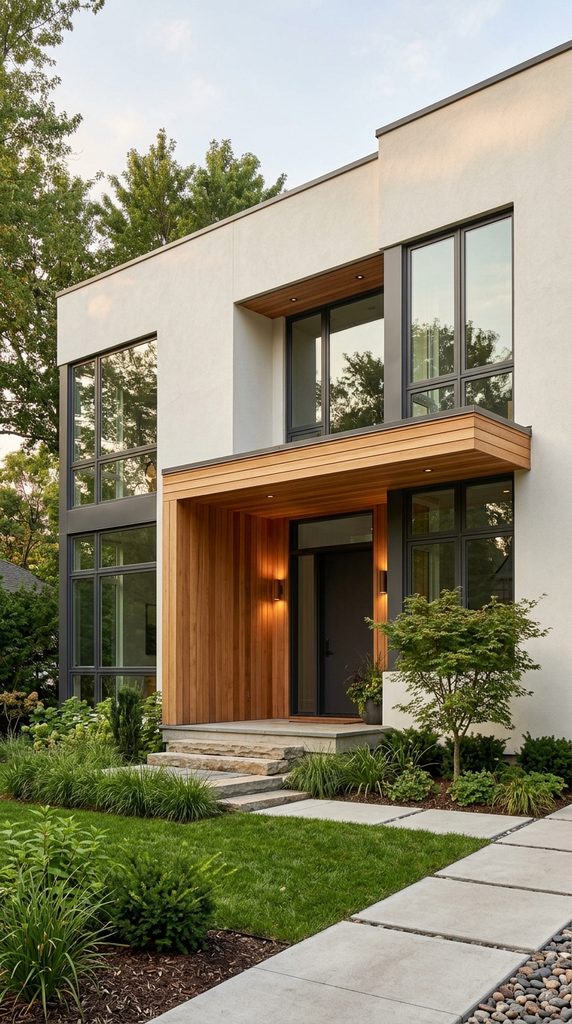
White and natural wood create a simple, warm, and contemporary exterior. The white walls provide a clean foundation, while wood-look finishes introduce texture and a natural element.
Best combination: Warm white walls, honey-toned wood accents, and dark gray details.
Styling tip: Add wooden panels near the entrance or beneath a covered porch for extra visual interest.
9. Soft Blue and Cream House Colors
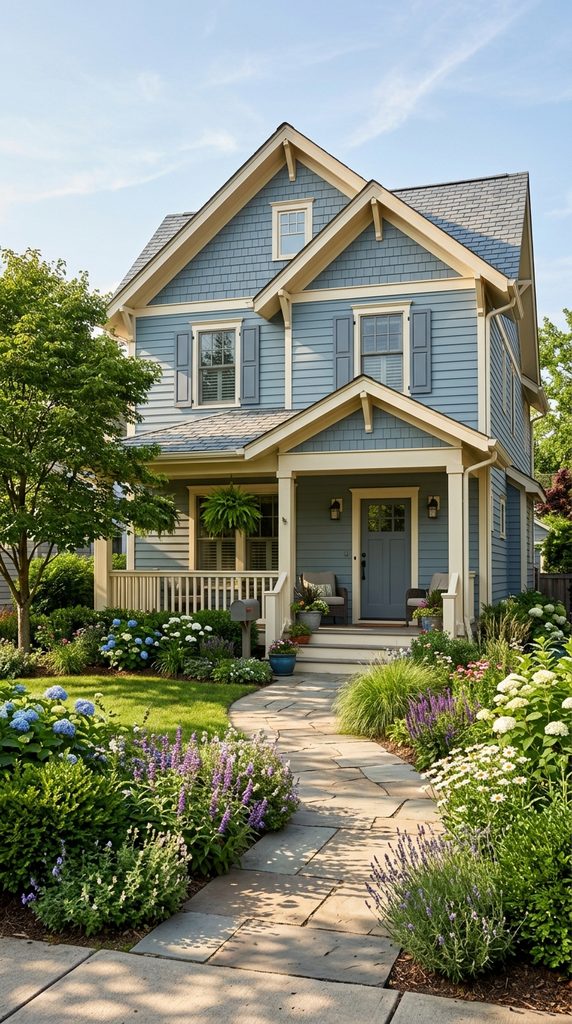
Soft blue and cream create a calm and welcoming exterior. The blue adds a fresh appearance, while cream provides warmth and softens the overall color palette. This combination suits both traditional and modern house designs.
Best combination: Dusty blue walls, cream trim, and slate-gray accents.
Styling tip: Keep the surrounding landscaping simple so the gentle exterior colors remain the main attraction.
10. Taupe and Dark Brown House Colors
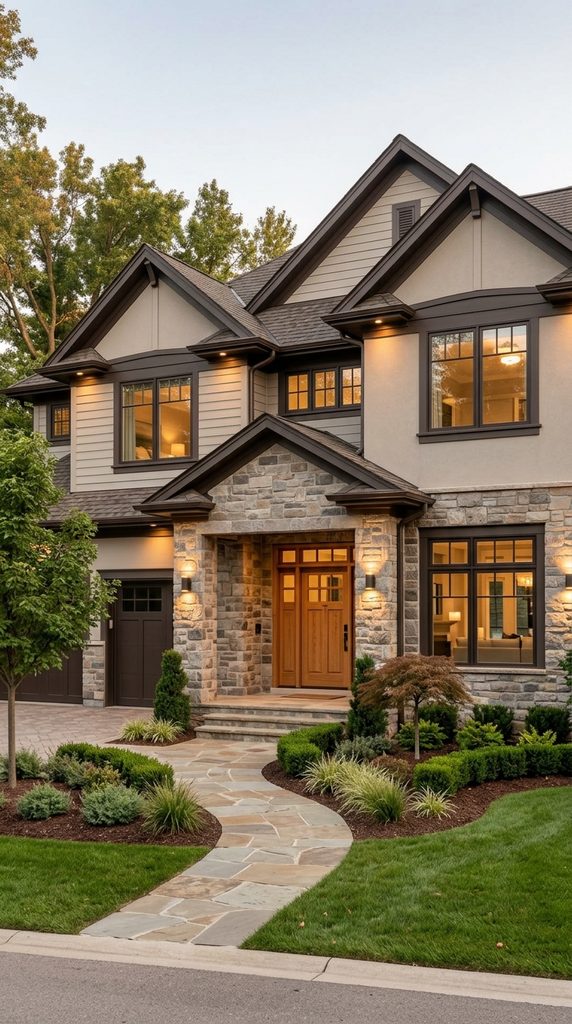
Taupe and dark brown are excellent choices for homeowners who prefer understated, earthy colors. Taupe creates a neutral foundation, while dark brown adds depth around the front door, porch, roofline, and window frames.
Best combination: Light taupe walls, dark brown accents, and natural stone details.
Styling tip: Use a lighter taupe for the main walls and reserve dark brown for smaller architectural features.
How to Choose the Best House Color Combination
Selecting exterior paint colors is easier when you consider the existing features of your home and the overall look you want to achieve.
1. Consider Your Roof Color
Your roof is one of the largest visual elements of your home’s exterior. A brown roof often works well with beige, cream, and earthy shades, while a gray or black roof can complement white, sage green, and cool gray walls.
2. Use Two or Three Coordinated Colors
A simple exterior palette usually includes a main wall color, a trim color, and an optional accent shade. This creates a cohesive appearance without making the house look overly colorful.
3. Think About Your House Size
Light shades such as white, cream, and pale gray can help a small house appear brighter and more open. Darker colors can add definition, especially when used on doors, window frames, or selected exterior sections.
4. Match the Surroundings
Consider your garden, driveway, boundary wall, and neighboring buildings. Natural colors often blend beautifully with greenery, stone pathways, and wooden features.
5. Test Paint Samples Outdoors
Exterior colors can look different in direct sunlight, shade, and cloudy weather. Test sample patches on your house and view them at different times of the day before choosing the final shades.
6. Choose Durable Exterior Paint
Use exterior paint designed for your wall surface and local weather conditions. Proper cleaning, surface preparation, and primer can help improve coverage and the durability of the finish.
Final Thoughts
Simple house color combinations can transform your home’s exterior without requiring an elaborate design. White and gray create a modern appearance, beige and brown provide warmth, and sage green with white offers a fresh, natural look. For a bolder style, navy blue and white or charcoal and light gray are excellent options.
Before making your final decision, consider your roof, doors, windows, landscaping, and natural lighting. Choosing a balanced palette of two or three colors will help create a beautiful exterior that feels coordinated, timeless, and welcoming.
Leave a Reply