
Choosing the right wall paint colors can transform your home into a beautiful, comfortable, and inviting space. Whether you want a modern living room, a cozy bedroom, an elegant dining area, or a fresh-looking hallway, the right paint shade can make a noticeable difference. From warm beige and sage green to soft blue and creamy white, there are countless home wall paint colors to match different decorating styles.
Beautiful wall colors can also influence how large, bright, and relaxing a room feels. Light shades often make small spaces feel more open, while deeper colors can create warmth and visual interest. If you are planning a home makeover or looking for Pinterest-inspired interior color ideas, these ten wall paint combinations offer inspiration for creating a stylish home.
1. Warm Beige Wall Paint
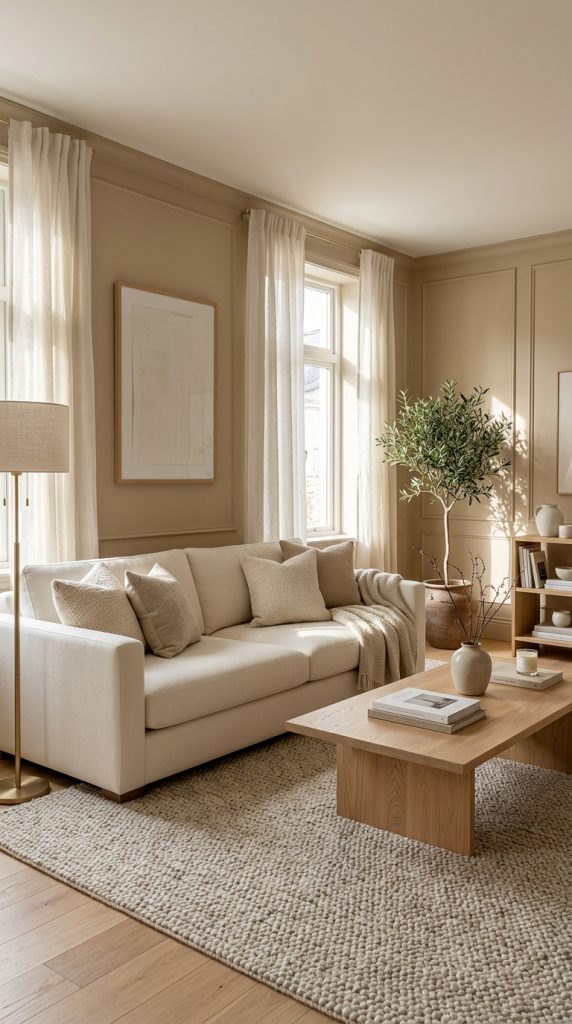
Warm beige is a timeless choice for homeowners who want a cozy and elegant interior. This neutral shade works beautifully in living rooms, bedrooms, dining rooms, and hallways. It pairs well with wooden furniture, cream curtains, and natural textures.
Best combination: Warm beige walls, ivory furniture, and light oak accents.
Styling tip: Add woven baskets, soft cushions, and warm lighting to create a welcoming atmosphere.
2. Sage Green Wall Paint
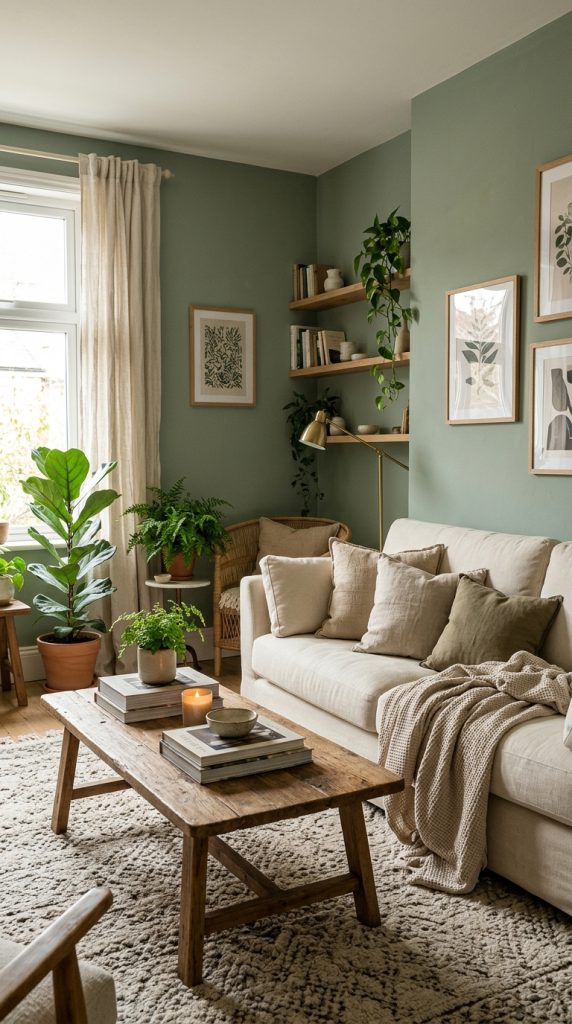
Sage green brings a calm, nature-inspired feeling into your home. Its muted appearance makes it easy to combine with neutral furniture and natural materials. It is particularly suitable for bedrooms, living rooms, reading corners, and home offices.
Best combination: Sage green walls, cream furnishings, and natural wood details.
Styling tip: Introduce indoor plants and linen fabrics to enhance the fresh, organic look.
3. Creamy White Wall Paint
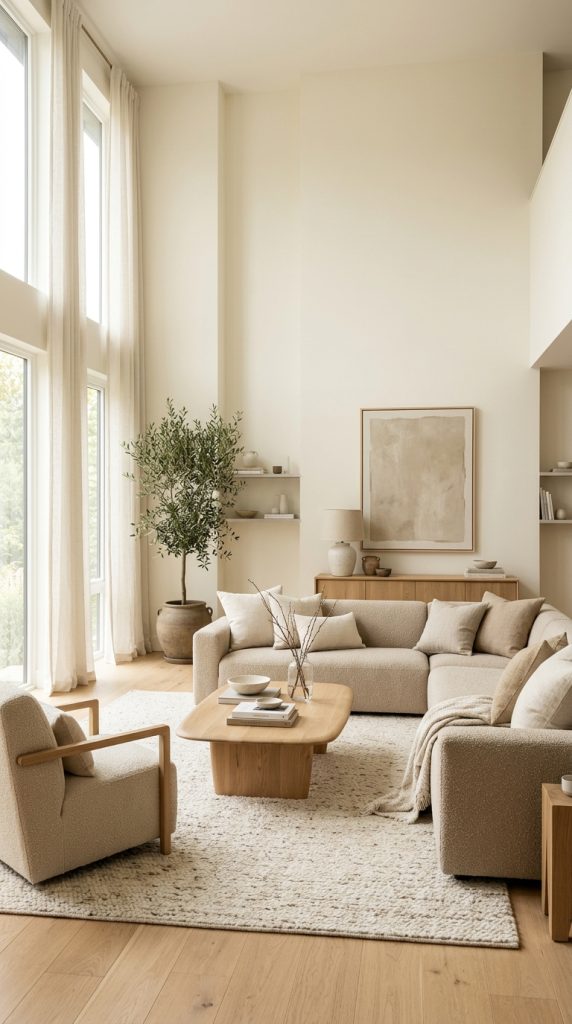
Creamy white is perfect for creating bright, airy, and sophisticated interiors. Unlike stark white, its subtle warmth can make a room feel more comfortable. It also provides a versatile backdrop for colorful artwork, decorative mirrors, and statement furniture.
Best combination: Creamy white walls, beige upholstery, and light wooden furniture.
Styling tip: Layer different textures, such as wool rugs, cotton curtains, and linen cushions, to keep the room from looking plain.
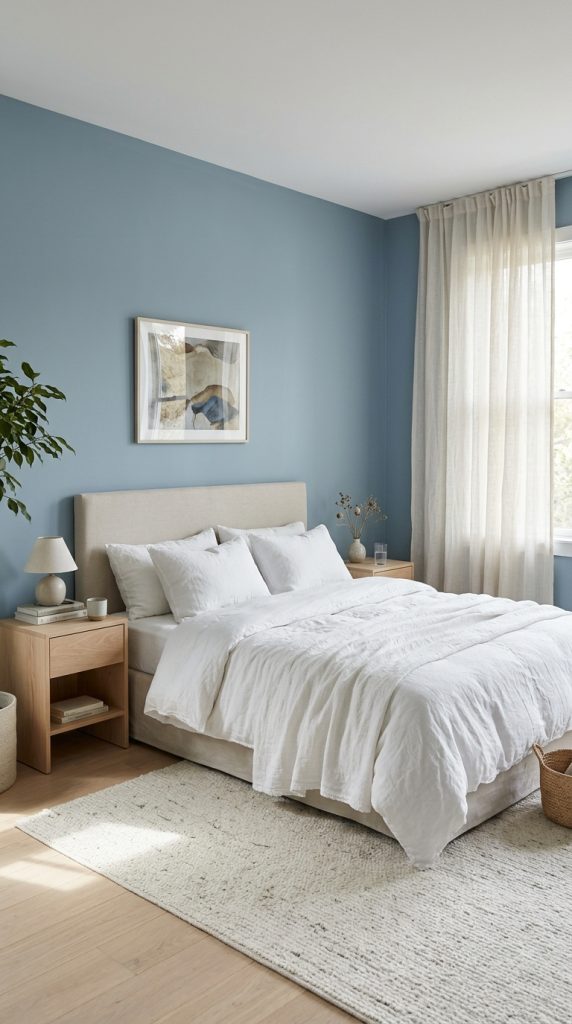
4. Soft Blue Wall Paint
Soft blue creates a peaceful atmosphere that works especially well in bedrooms, bathrooms, and relaxing living spaces. Muted blue shades can make interiors feel fresh without overwhelming the room.
Best combination: Dusty blue walls, white trim, and light gray or beige furnishings.
Styling tip: Use white bedding, simple artwork, and natural fabrics for a clean, calming appearance.
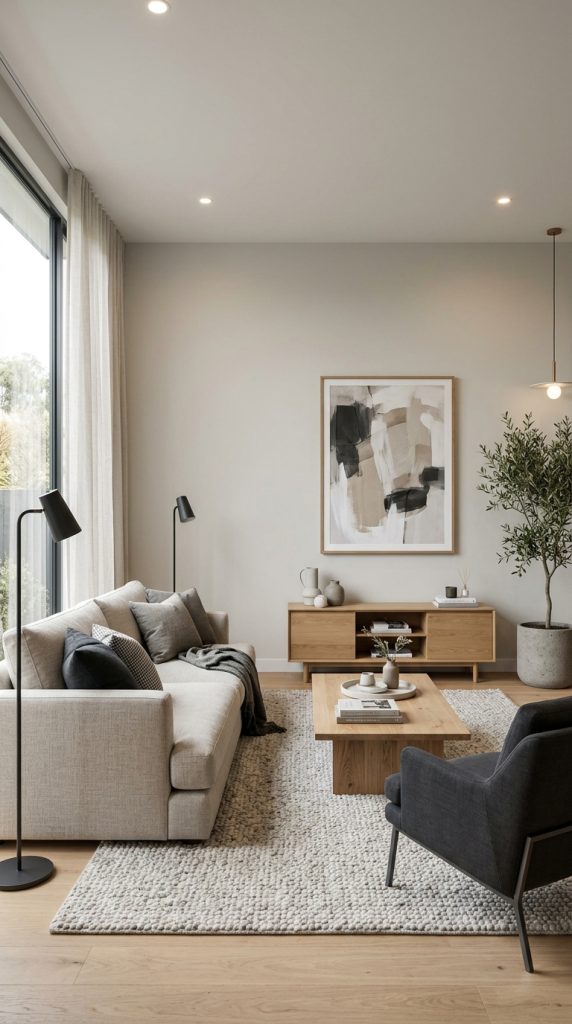
5. Greige Wall Paint
Greige combines gray and beige to create a balanced neutral color. It suits modern, minimalist, transitional, and contemporary interiors. Depending on the lighting, greige can appear warmer or cooler, making sample testing especially useful.
Best combination: Light greige walls, charcoal accents, and warm wooden furniture.
Styling tip: Add black picture frames or a statement floor lamp to introduce subtle contrast.
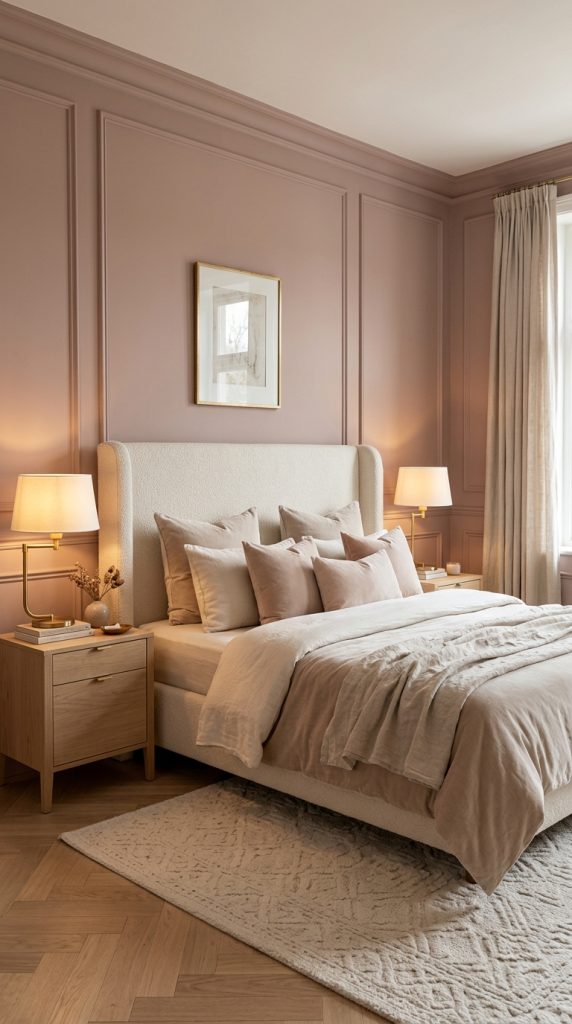
6. Dusty Pink Wall Paint
Dusty pink adds softness and understated charm to a room. Its muted tone feels more sophisticated than bright pink and works well in bedrooms, dressing areas, and cozy sitting spaces.
Best combination: Dusty pink walls, cream furniture, and brushed brass accents.
Styling tip: Combine pink with natural wood and neutral fabrics to create a balanced, grown-up look.
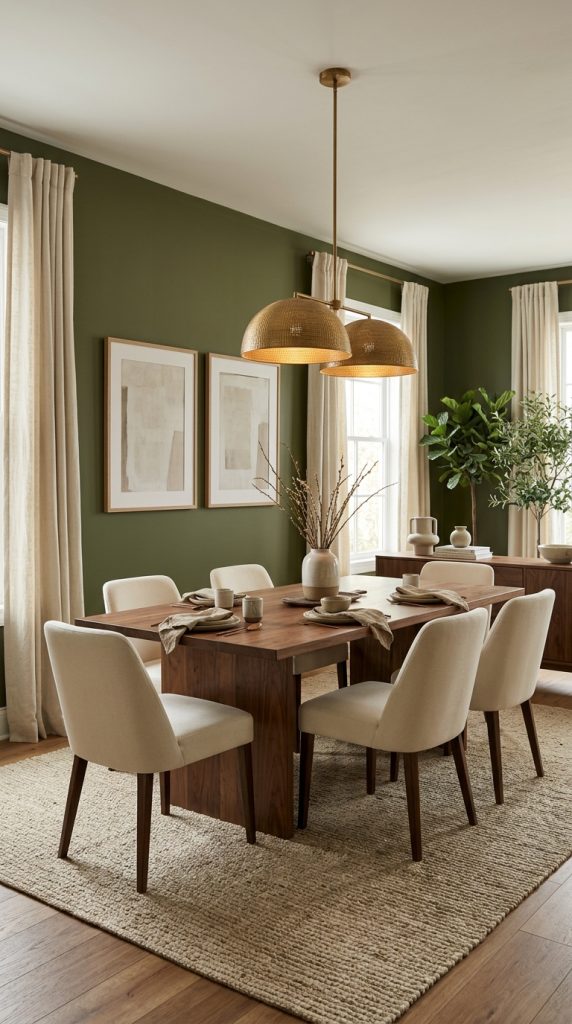
7. Olive Green Wall Paint
Olive green is an earthy shade that adds depth and character to interior walls. It looks especially attractive in dining rooms, studies, bedrooms, and accent walls. Pairing it with warm neutrals helps maintain a comfortable atmosphere.
Best combination: Olive green walls, beige upholstery, and walnut wood furniture.
Styling tip: Use olive green on one feature wall if you want a bold look without making the entire room feel dark.
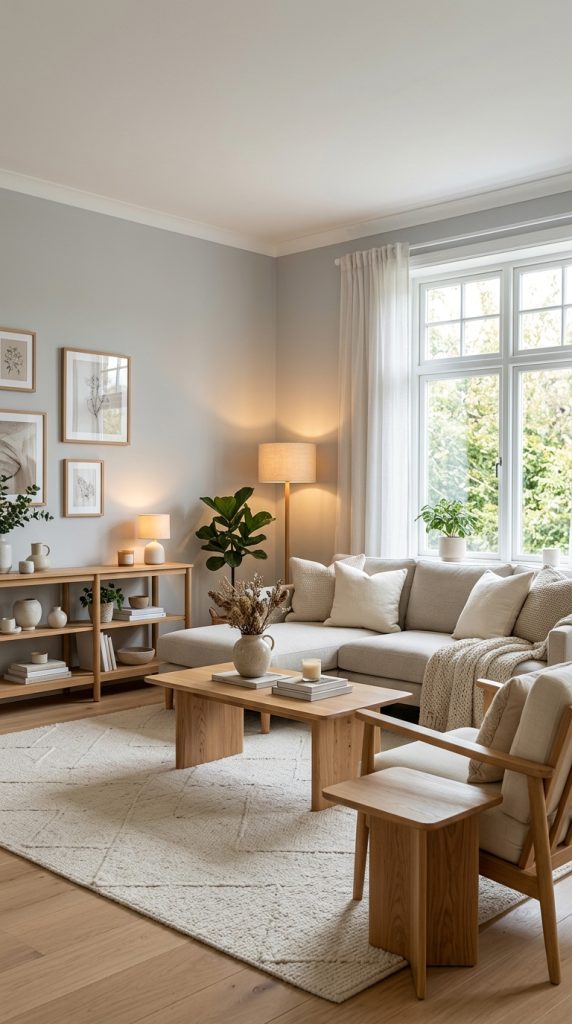
8. Soft Gray Wall Paint
Soft gray offers a clean, modern appearance that works well with many furniture colors. It is a versatile option for living rooms, bedrooms, home offices, and hallways.
Best combination: Pale gray walls, white trim, and natural oak furniture.
Styling tip: Add cream textiles and warm lighting to prevent the space from feeling cold, particularly in rooms with limited sunlight.
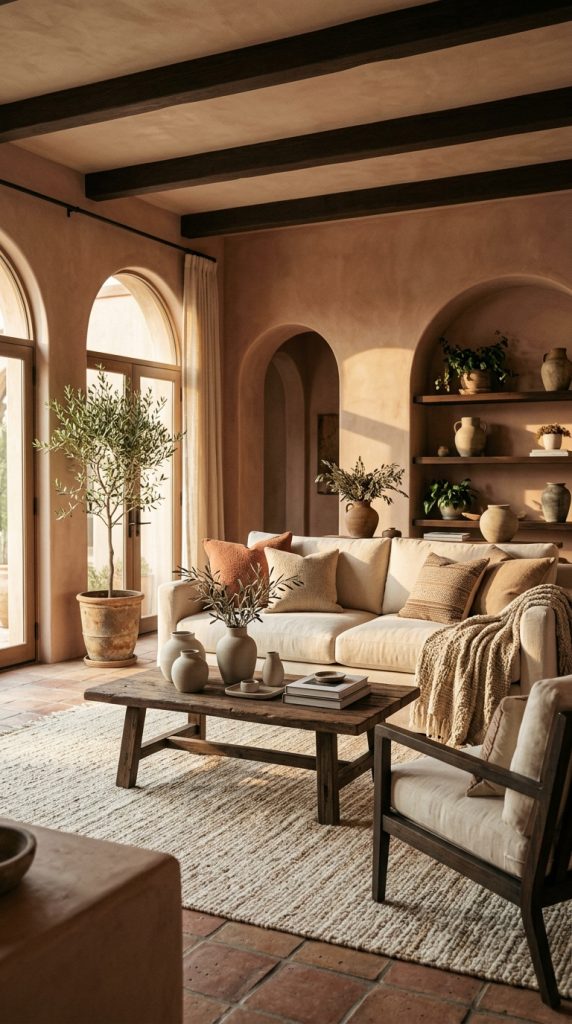
9. Terracotta Wall Paint
Terracotta creates a warm, earthy atmosphere inspired by natural clay and Mediterranean interiors. It can make living rooms, dining areas, and feature walls feel welcoming and full of character.
Best combination: Muted terracotta walls, cream furnishings, and dark wood accents.
Styling tip: Complement the color with ceramic vases, textured cushions, and natural materials for a relaxed, earthy style.
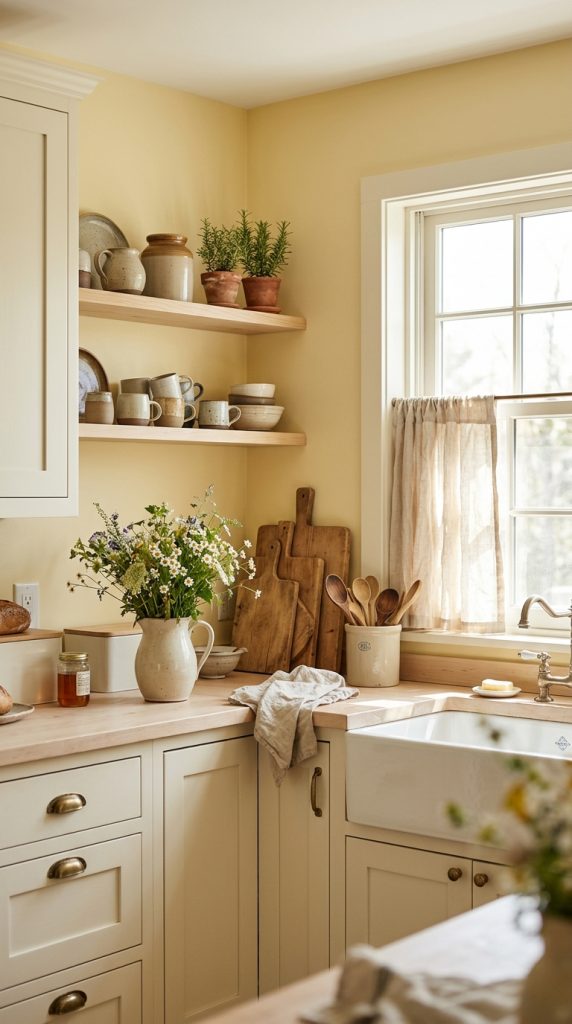
10. Butter Yellow Wall Paint
Butter yellow brings a gentle, cheerful warmth to interior spaces. This soft shade works beautifully in kitchens, breakfast nooks, entryways, and rooms that need a brighter appearance.
Best combination: Butter yellow walls, creamy white trim, and pale wooden furniture.
Styling tip: Choose a muted yellow rather than a very bright shade to maintain an elegant and soothing interior.
How to Choose the Best Home Wall Paint Colors
Selecting a beautiful wall color involves more than choosing your favorite shade. Consider the room’s lighting, size, furniture, and overall decorating style before making a final decision.
1. Consider the Room Size
Light colors such as creamy white, pale gray, and soft beige can help a small room feel more open. Deeper shades, including olive green and terracotta, can create a cozy and intimate atmosphere when used thoughtfully.
2. Check Natural and Artificial Lighting
Paint colors can look different in sunlight, shade, and artificial lighting. A beige shade may appear warmer in afternoon sunlight, while gray can look cooler in a north-facing room.
3. Match Your Furniture and Flooring
Choose wall colors that complement existing furniture, curtains, flooring, and decorative accessories. If your furniture is already colorful, neutral walls can help create a balanced appearance.
4. Use Accent Walls for Visual Interest
If you love a deeper color but do not want it throughout the room, apply it to a feature wall behind a bed, sofa, or dining table. This adds character while keeping the overall design balanced.
5. Test Paint Samples Before Buying
Apply small samples directly to your walls and observe them at different times of day. Testing helps you see the actual undertones and avoid an unexpected result after painting the entire room.
6. Choose the Right Paint Finish
Matte and eggshell finishes can create a soft, elegant appearance in living rooms and bedrooms. Satin or other washable finishes may be more practical for kitchens, hallways, and areas that need frequent cleaning. Always follow the paint manufacturer’s recommendations for the wall surface and room conditions.
Final Thoughts
The best home wall paint colors combine beauty, comfort, and practicality. Warm beige and creamy white create timeless interiors, sage green and olive green bring a natural feeling, and soft blue offers a peaceful atmosphere. For something warmer and more expressive, dusty pink, terracotta, and butter yellow can add personality to your home.
Before making your final choice, consider your lighting, furniture, and room size. Testing a few paint samples will help you find a shade that complements your interior and creates the atmosphere you want.
Leave a Reply