Garden edging is a simple way to make flower beds, pathways, lawns, and vegetable gardens look neat and organized. The good news is that attractive garden borders do not have to be expensive. With a little creativity, you can use affordable materials and even repurpose items you already have at home.
Cheap garden edging can define different areas, reduce grass spreading into flower beds, and give your outdoor space a more finished appearance. From recycled bricks and natural stones to wooden boards and simple gravel borders, there are plenty of budget-friendly options to explore.
Here are 10 cheap garden edging ideas that can add structure and personality to your yard without requiring a large landscaping budget.
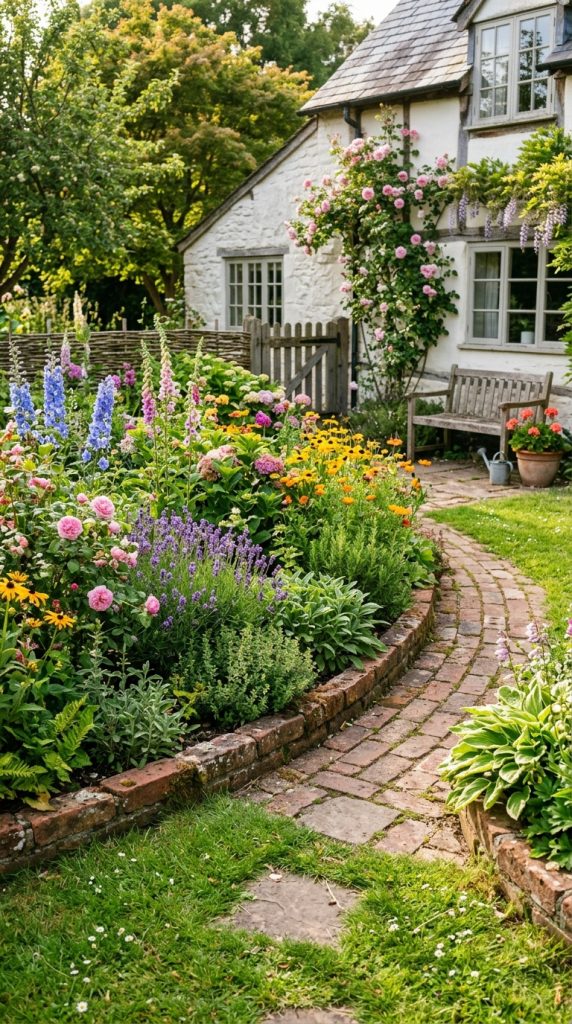
1. Reclaimed Brick Garden Edging
Old bricks can create a classic garden border at a very low cost, especially if you already have leftover materials from another project. Arrange the bricks along flower beds, pathways, or lawn edges.
You can place them horizontally for a subtle border or stand them vertically for a more decorative effect. Mixing weathered bricks with greenery creates a charming cottage or traditional garden appearance.
Make sure the bricks are positioned securely so they remain stable as the soil and garden conditions change.
2. Natural Stone Edging
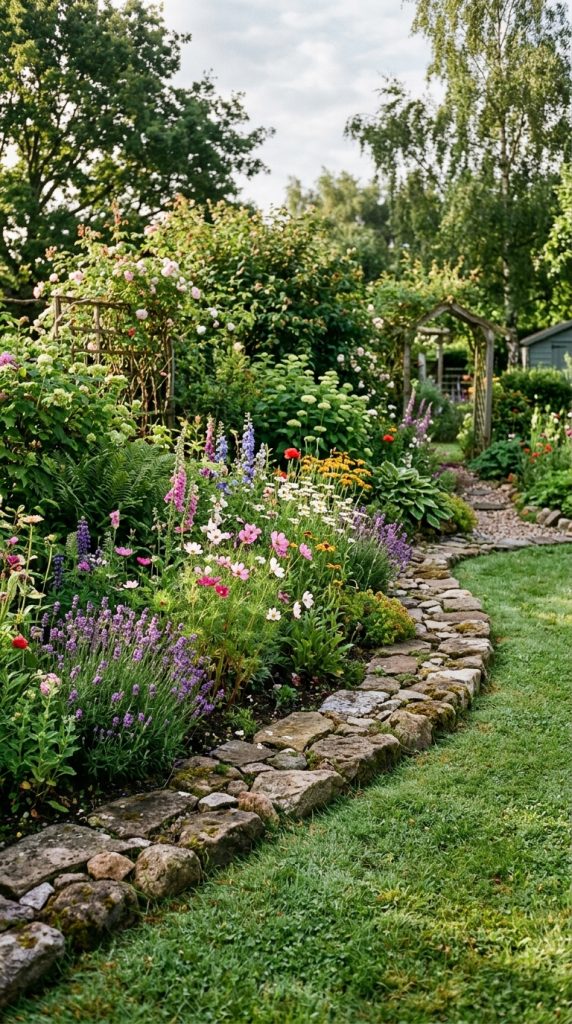
Small stones and rocks can create a beautiful natural-looking garden border. If suitable stones are already available on your property, this can be one of the most affordable options.
Arrange stones along the edge of a flower bed or pathway, keeping their shapes relatively consistent for a cleaner appearance. You can also combine different sizes for a more organic design.
Natural stone edging works particularly well with cottage, rustic, and modern organic gardens.
3. Wooden Board Edging
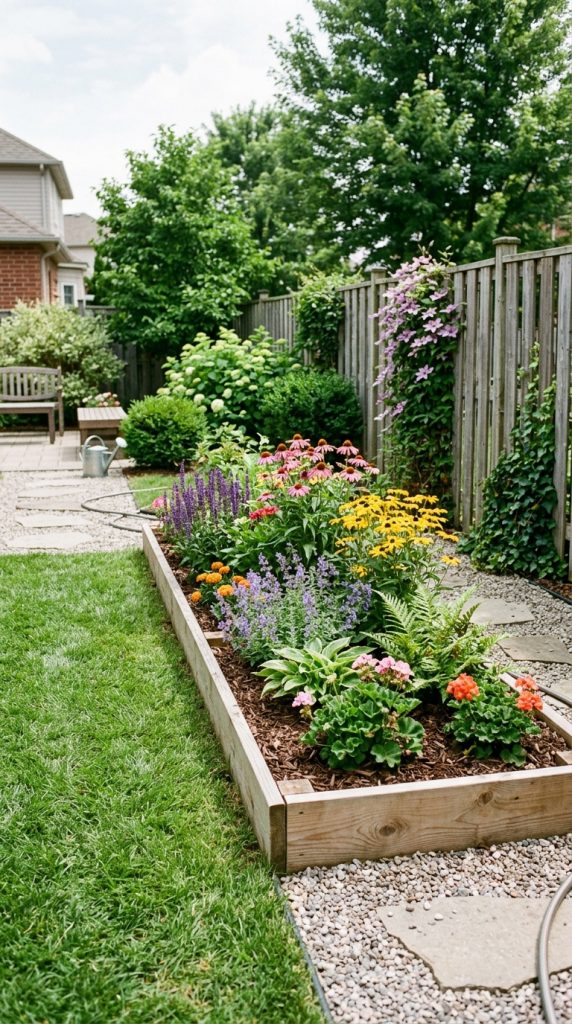
Simple untreated or appropriately outdoor-rated wooden boards can create clean garden borders without costing much. Cut the boards to suitable lengths and position them along flower beds or vegetable gardens.
Wood edging works especially well for straight borders and rectangular planting beds.
If the wood will contact soil or moisture, choose an appropriate outdoor material and finish, and install it in a way that reduces prolonged moisture exposure.
4. Recycled Glass Bottle Edging
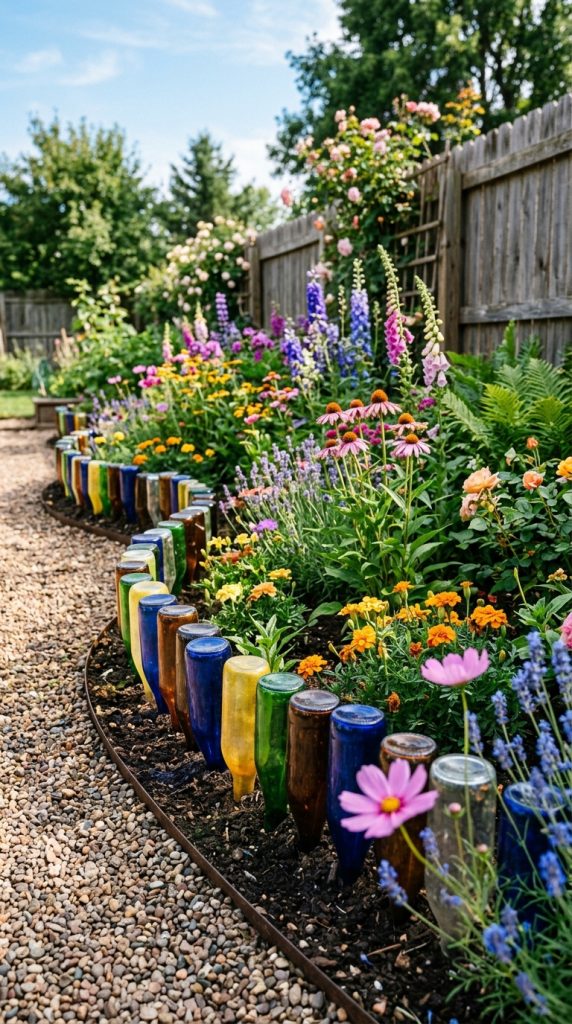
Empty glass bottles can be repurposed into colorful garden edging. Clean the bottles thoroughly and carefully place them into the soil with the necks facing downward.
You can use bottles of the same color for a coordinated appearance or mix colors for a more playful garden border.
Because broken glass can be hazardous, inspect bottles carefully and avoid using damaged pieces. This idea works best in areas where the edging will not interfere with children, pets, or foot traffic.
5. Gravel Garden Border
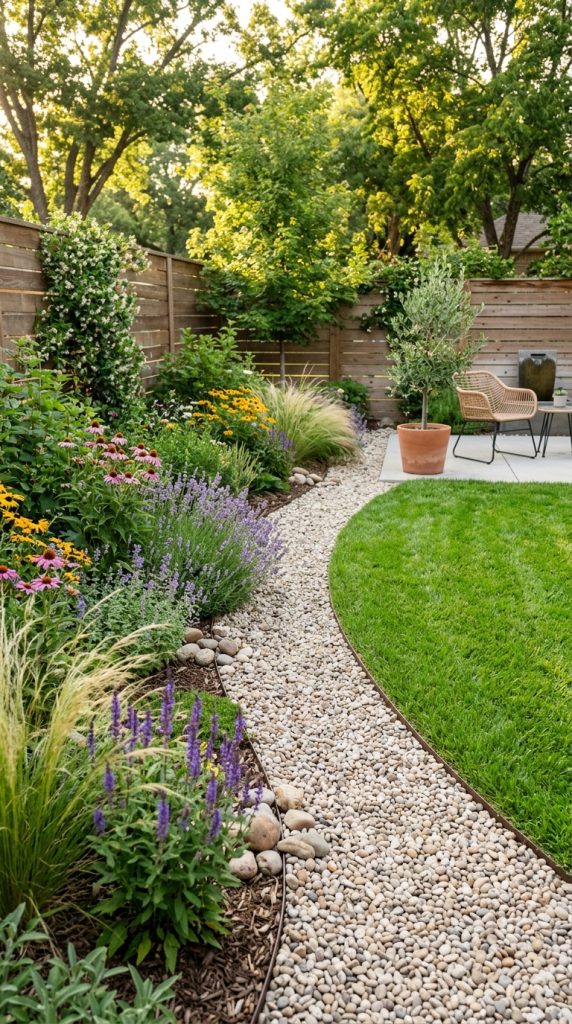
A gravel border is one of the simplest budget-friendly edging solutions. Dig a shallow channel around the garden bed and fill it with affordable decorative gravel or small stones.
Gravel creates a clean transition between lawn and planting areas while helping define the garden visually.
Choose a gravel color that complements your home’s exterior and existing landscape. For a more structured look, combine the gravel with larger stones.
6. Bamboo Garden Edging
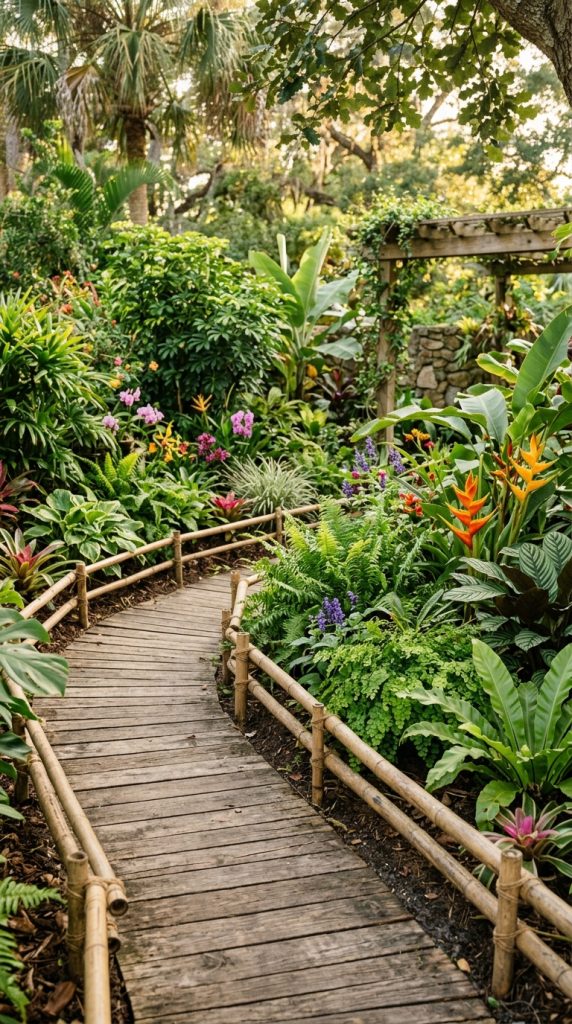
Bamboo can provide an affordable natural border for garden beds and pathways. Thin bamboo poles can be arranged horizontally or vertically to create a simple rustic edge.
Its natural color works beautifully with greenery, ornamental grasses, and tropical-inspired landscaping.
Use appropriately treated or outdoor-suitable bamboo and secure the pieces properly so the border remains stable.
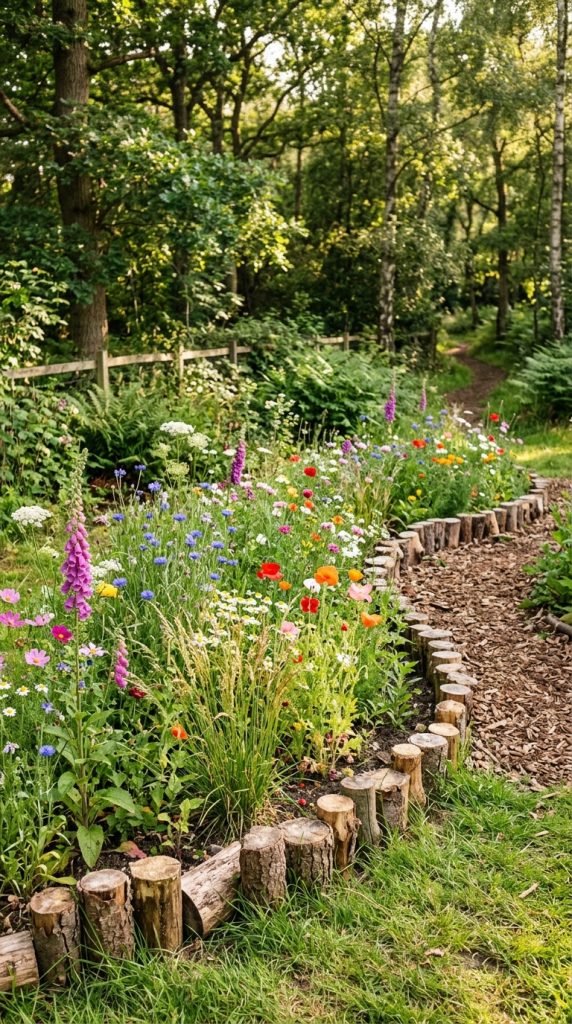
7. Upcycled Wooden Log Edging
Small fallen branches or naturally weathered logs can be transformed into rustic garden edging. Arrange similarly sized pieces along the border of a flower bed or pathway.
This approach creates an organic woodland appearance and works particularly well around wildflower gardens.
Avoid using wood that is unstable, contaminated, or unsafe for your garden environment. Proper placement can also help prevent the logs from rolling or becoming trip hazards.
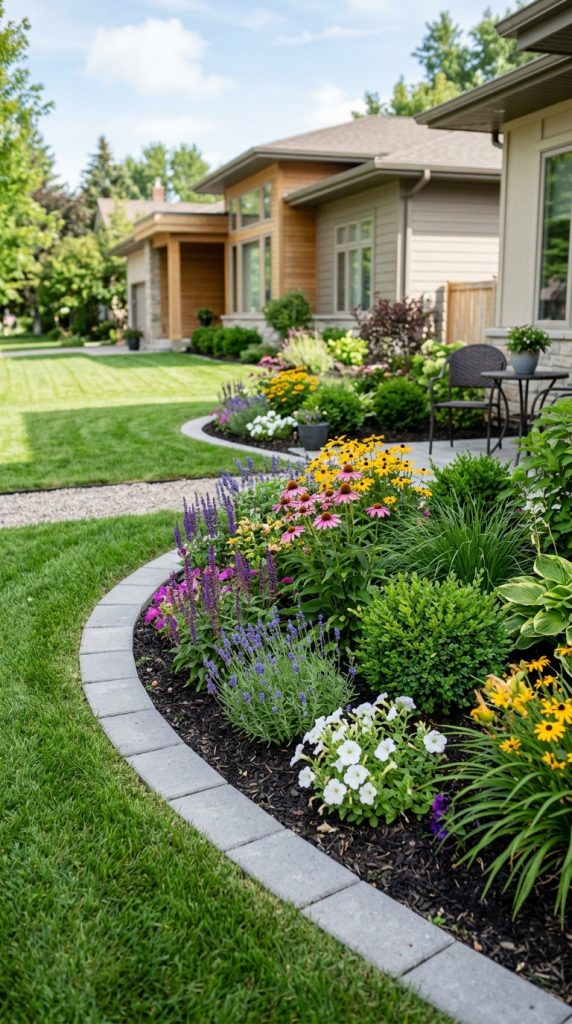
8. Paver Edging on a Budget
Leftover concrete pavers or inexpensive basic pavers can create a neat and durable garden border. Place them around flower beds, patios, or pathways to create a defined edge.
For a modern appearance, use simple rectangular pavers. For a more relaxed garden, mix complementary shapes or slightly vary their arrangement.
A level base and careful placement will help keep the edging looking neat over time.
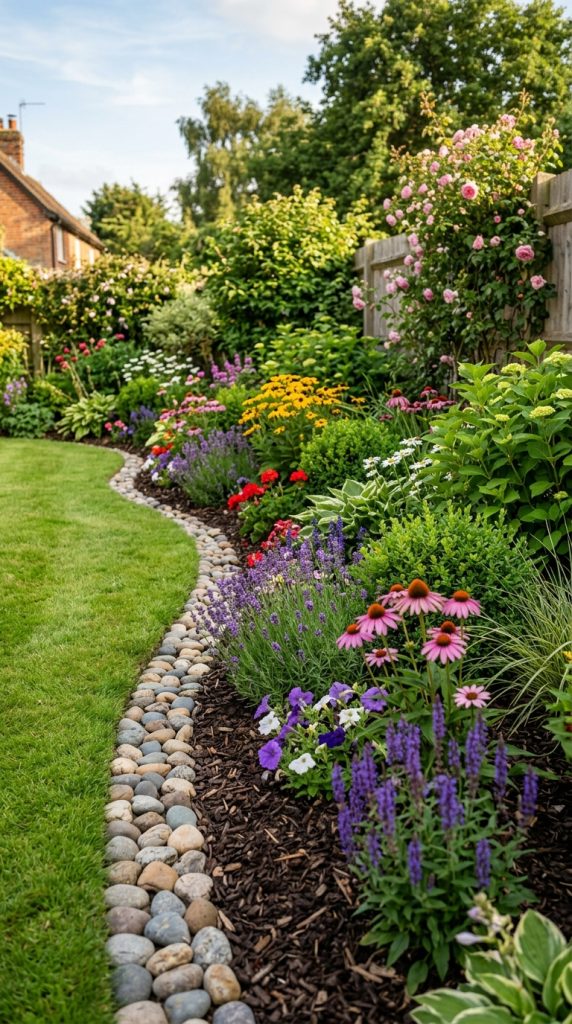
9. Mulch and Stone Combination
Combine two inexpensive materials to create a layered garden border. For example, place a narrow line of stones between the lawn and a mulch-filled flower bed.
The stones provide definition while the mulch gives the planting area a finished appearance.
This combination is particularly effective around shrubs, flowering plants, and small trees. Refresh the mulch periodically to maintain the clean appearance.
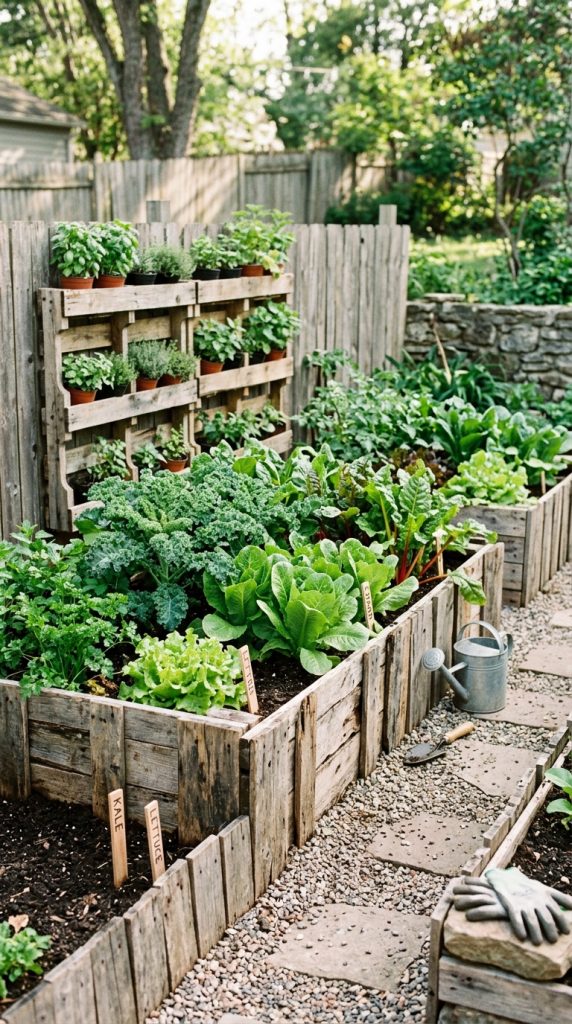
10. Recycled Pallet Wood Edging
Old wooden pallets can sometimes be repurposed into simple garden borders after being carefully inspected and prepared. Separate suitable boards and cut them into consistent lengths.
Use the boards around vegetable gardens, flower beds, or small pathways. A natural wood finish can create a rustic appearance, while an outdoor-appropriate finish can help the material better suit its environment.
Only use pallet wood that is suitable for reuse and avoid boards with unknown chemical treatment, contamination, or visible damage.
How to Choose Cheap Garden Edging
The best budget garden edging depends on your landscape style, available materials, and the amount of maintenance you want to do.
For a rustic garden, logs, stones, and reclaimed bricks can work beautifully. For a modern garden, simple pavers, gravel, or clean wooden boards may be better choices. If you prefer a natural look, bamboo and stone can blend nicely with plants.
Before installing any edging, consider drainage, mowing access, soil movement, and safety. Edging should define your garden without becoming a tripping hazard or interfering with lawn equipment.
You can also save money by measuring the area first and calculating how much material you actually need. Buying only the required amount prevents unnecessary waste.
Final Thoughts
Creating a beautiful garden border does not require a large landscaping budget. Reclaimed bricks, natural stones, wooden boards, gravel, bamboo, logs, pavers, and recycled materials can all become attractive edging with a little creativity.
Choose an option that matches your garden style and practical needs. A simple, well-installed border can make flower beds look more organized, separate different outdoor areas, and give your yard a polished appearance while keeping costs under control.
Leave a Reply