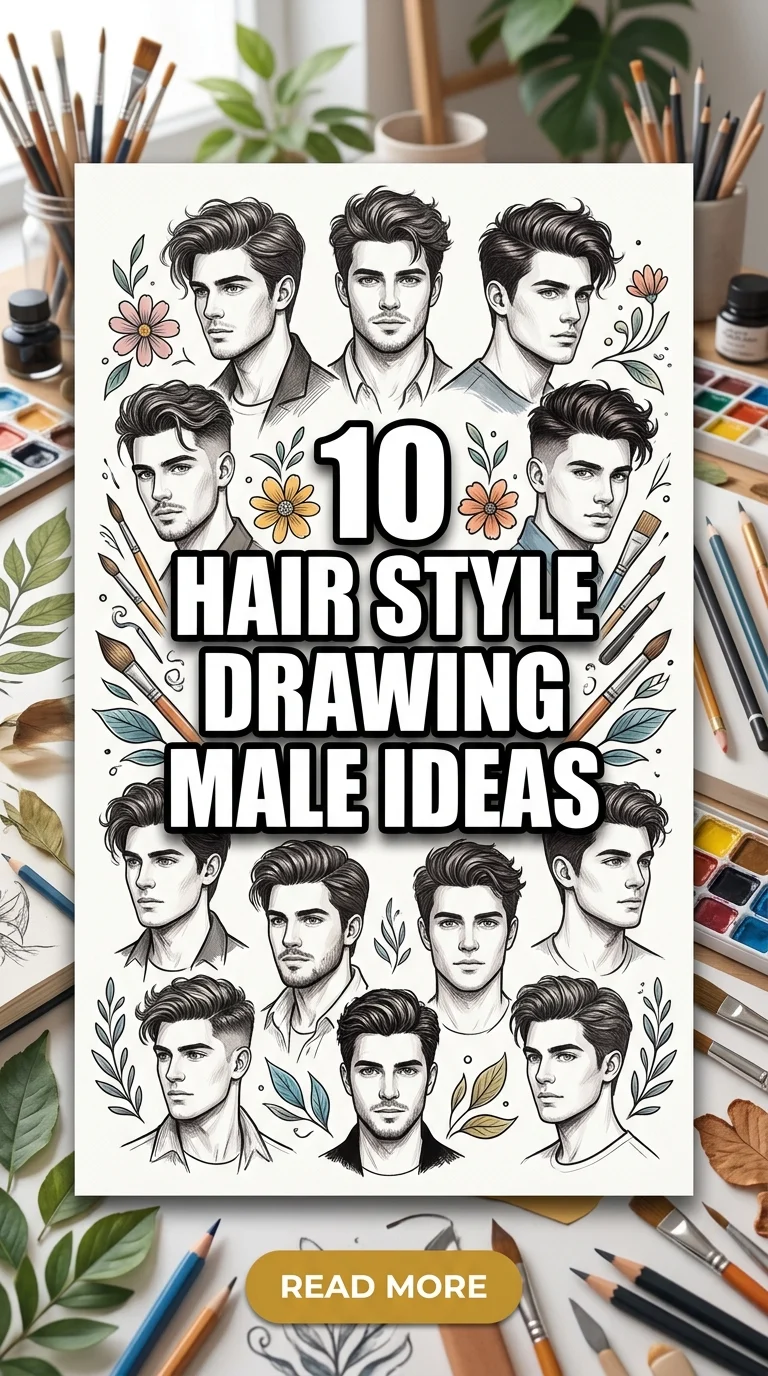
Drawing male hairstyles is an important part of creating expressive and believable character art. A hairstyle can instantly change a character’s age, personality, mood, and overall appearance. Whether you are practicing realistic portraits, anime characters, fashion illustrations, or digital character design, learning different male hairstyles can make your drawings more interesting.
From short textured cuts to longer layered styles, there are many ways to experiment with shape, volume, direction, and texture. The following 10 male hairstyle drawing ideas are useful for artists who want simple references and creative inspiration.
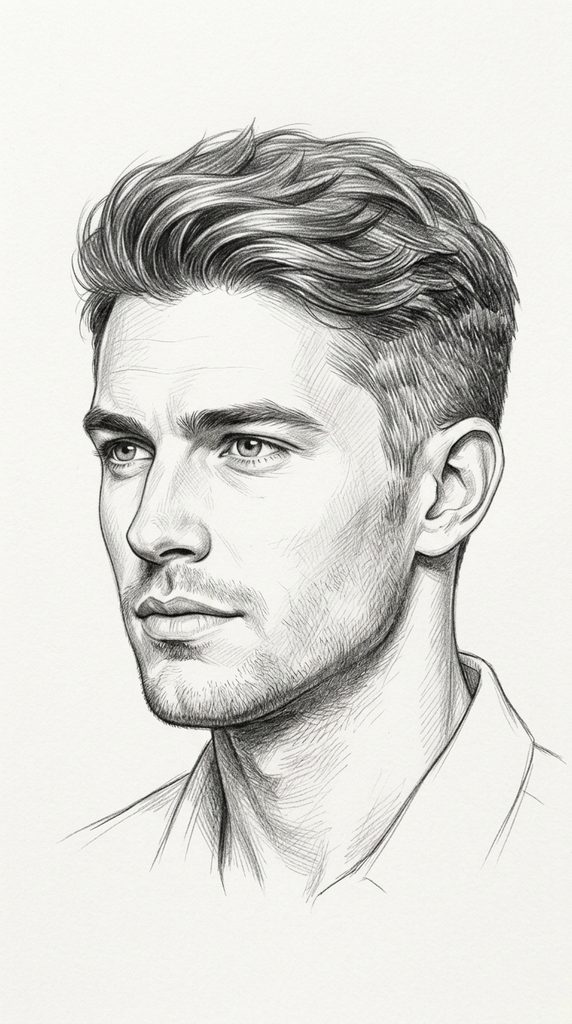
1. Classic Short Hair Drawing
Classic short hair is one of the easiest hairstyles to practice. Start by establishing the shape of the head, then create a slightly rounded hairline and short layers around the sides.
Use simple strokes that follow the natural direction of the hair. Add a little texture around the top while keeping the sides shorter. This style works well for realistic male portraits and character sketches.
2. Messy Hair Drawing
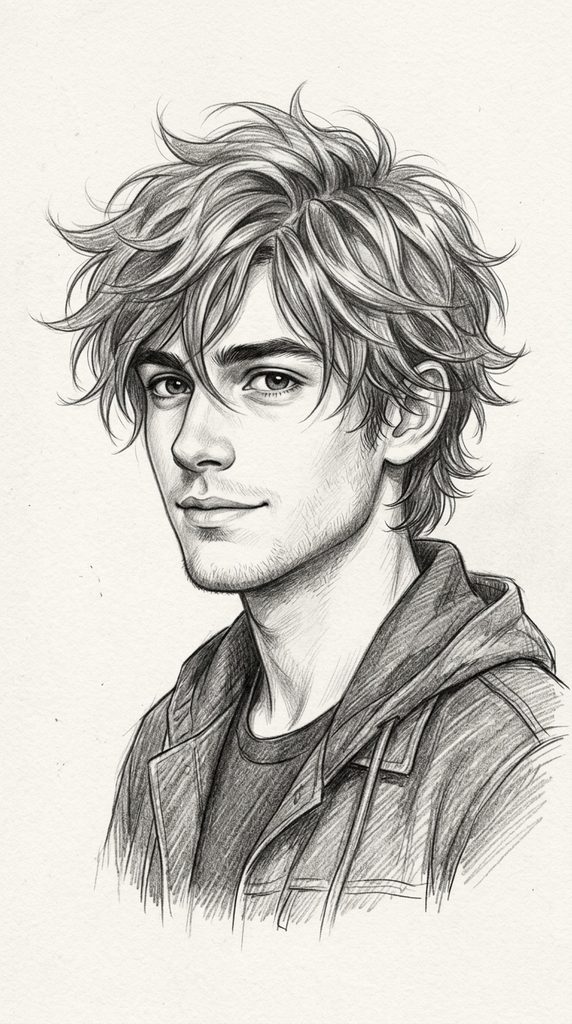
Messy hair is perfect for creating a relaxed and youthful character. Instead of making every strand identical, draw groups of uneven, pointed sections.
Begin with the overall silhouette and then add a few individual strands. Keep the hair direction varied but connected to the underlying head shape. Light shading can give the hairstyle more depth.
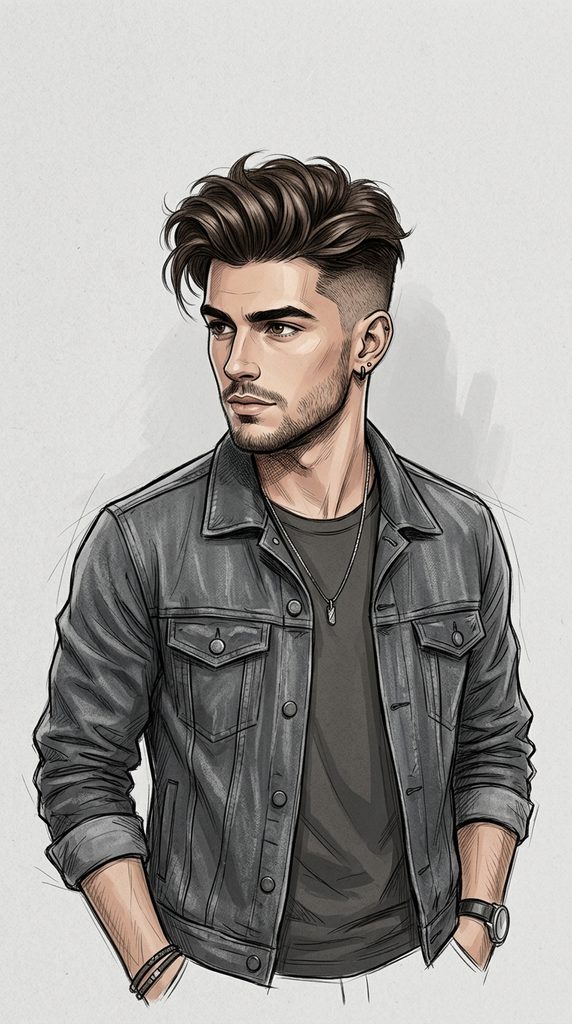
3. Undercut Hairstyle Drawing
An undercut provides a strong contrast between the short sides and longer top. Draw the sides close to the head while giving the upper section more volume.
The longer hair can be brushed backward, upward, or slightly to one side. This hairstyle is useful for modern character designs and fashion-inspired illustrations.
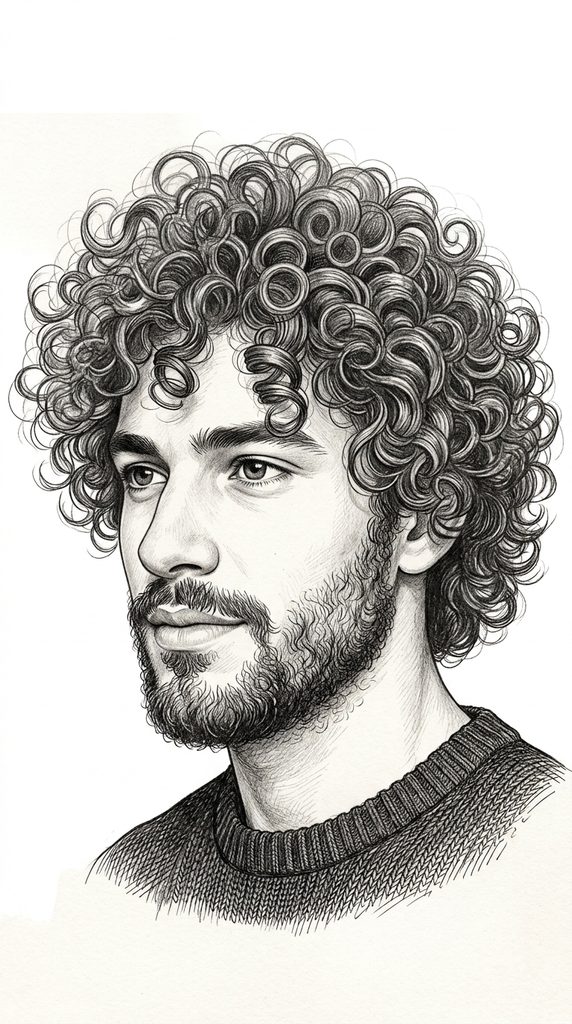
4. Curly Hair Drawing
Curly hair can make a male character look distinctive and expressive. Rather than drawing hundreds of individual curls, focus on larger groups and overlapping shapes.
Create the main silhouette first, then add curved lines and small spiral-like details throughout the hair. Use darker shading between curl groups to create dimension.
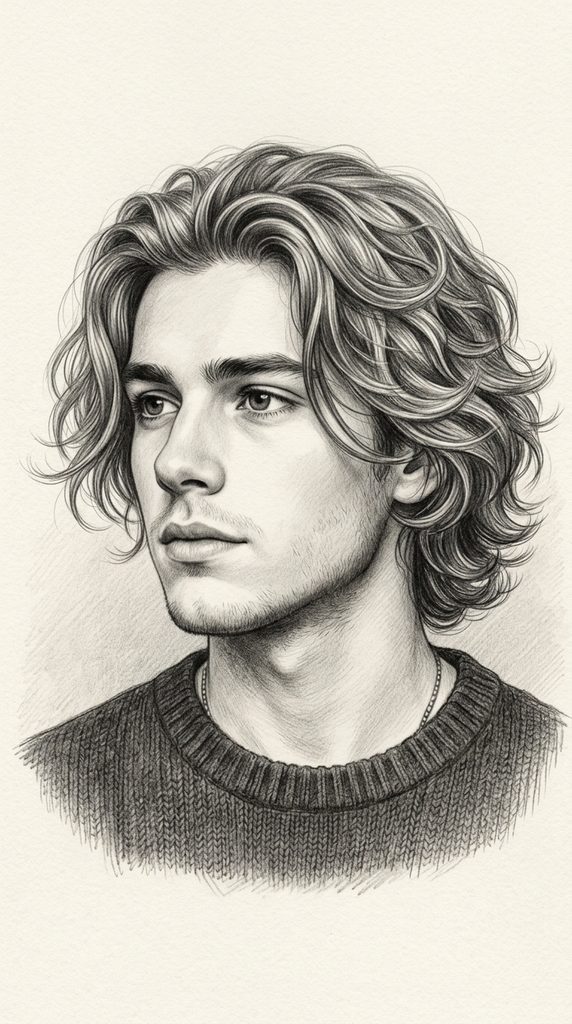
5. Wavy Medium-Length Hair
Medium-length wavy hair offers a softer and more natural appearance. Let the hair fall around the sides of the face while using curved strokes to show movement.
Avoid making every wave perfectly symmetrical. Slight variations create a more realistic appearance and help the hairstyle feel natural.
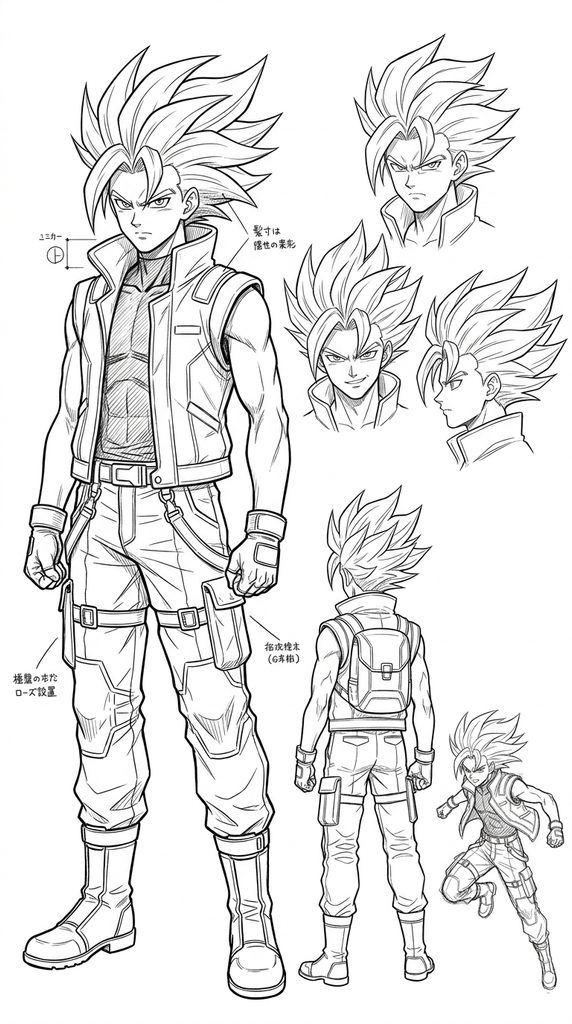
6. Spiky Hair Drawing
Spiky hair is a fun option for energetic or adventurous characters. Build the hairstyle from several larger pointed sections rather than individual thin spikes.
Experiment with different spike directions and lengths. Strong outlines and strategic shading can make this hairstyle especially effective in comic, manga, and stylized character drawings.
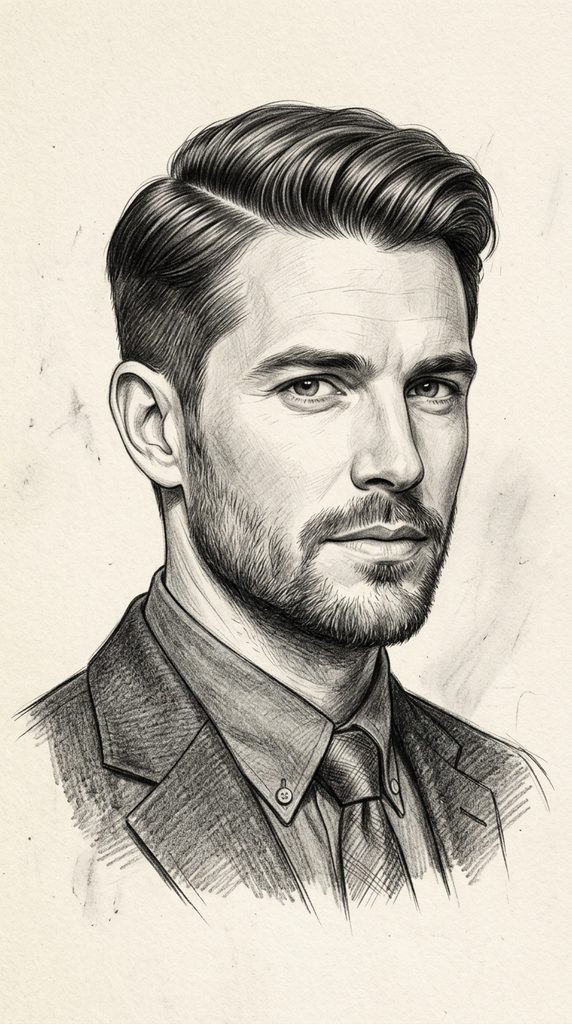
7. Side-Part Hairstyle Drawing
A side-part hairstyle is a classic choice for sophisticated male characters. Establish the part first, then direct the hair naturally away from it.
Keep the hair smoother near the sides while adding subtle volume toward the top. This style works particularly well for realistic portrait drawings and formal character designs.
8. Long Layered Hair Drawing
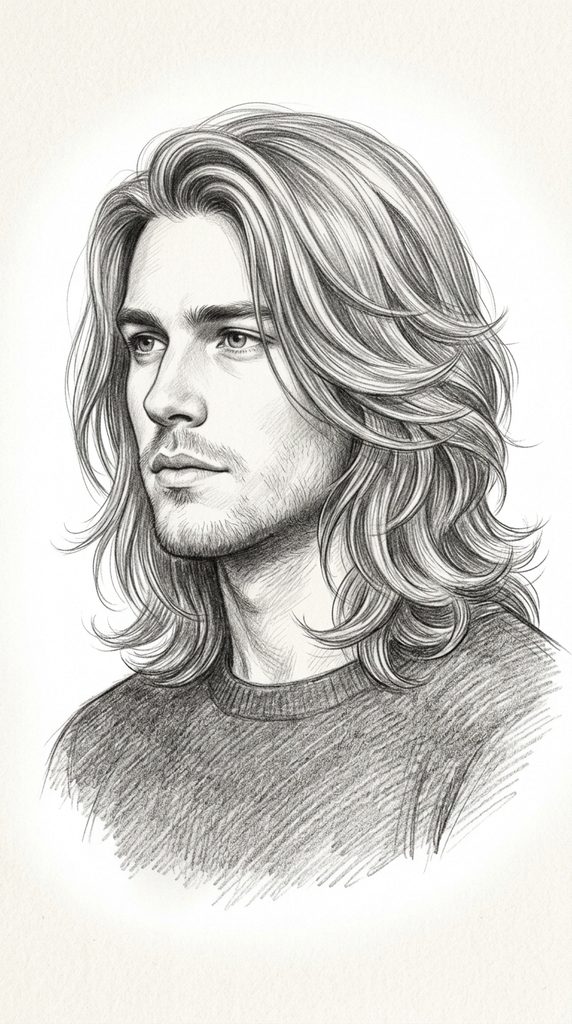
Long layered hair gives artists an opportunity to practice movement and flowing shapes. Draw the overall length first and divide the hair into several large layers.
Use long curved strokes to show how the hair falls around the face and shoulders. Adding highlights along selected sections can help create depth without drawing every strand.
9. Buzz Cut Drawing
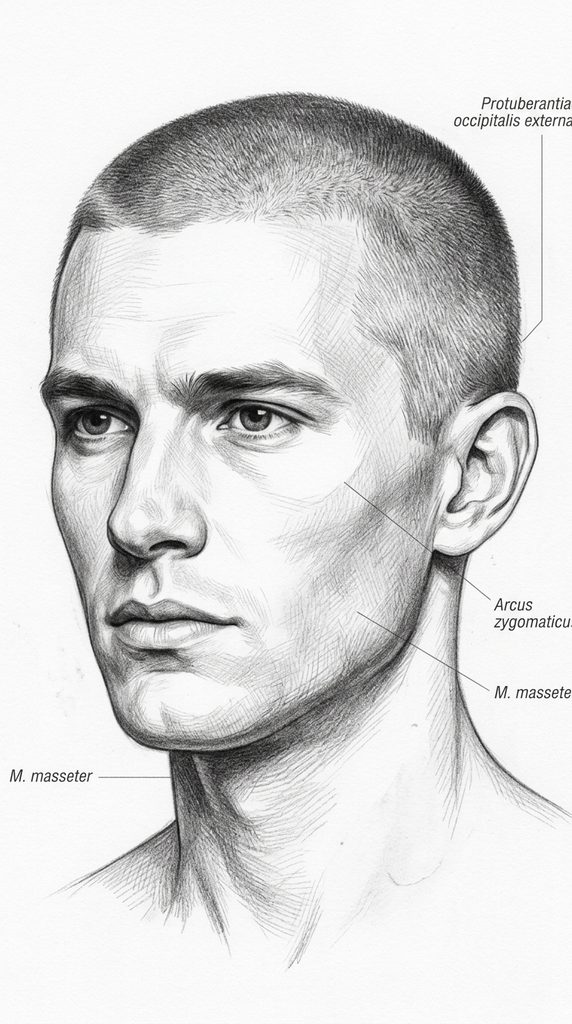
A buzz cut is a simple hairstyle that focuses more attention on the shape of the head and facial features. Keep the hair very short and close to the scalp.
Use subtle shading instead of individual strands to suggest the texture. This hairstyle is particularly useful for practicing realistic proportions and facial structure.
10. Textured Fringe Drawing
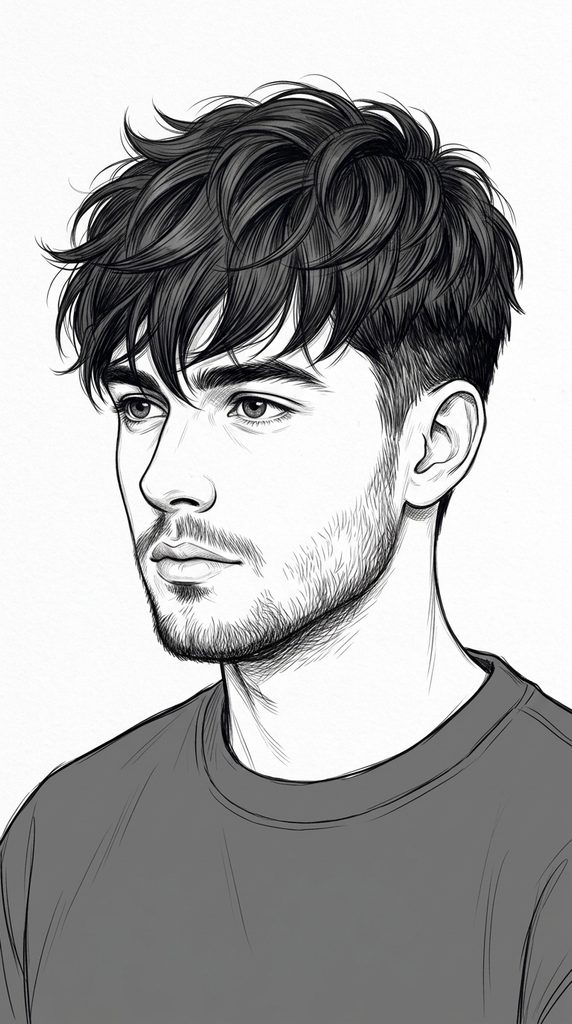
A textured fringe is a versatile hairstyle for modern male character illustrations. Draw slightly longer hair toward the forehead, allowing individual sections to overlap naturally.
The fringe can be straight, curved, or slightly separated into different pieces. Add light shadows underneath the overlapping sections to make the hair appear fuller.
Tips for Drawing Male Hairstyles
When practicing male hairstyle drawing, start with the head shape rather than immediately drawing individual strands. Hair has volume, so the outer silhouette should extend slightly beyond the skull.
Think about the direction in which the hair grows. Most hairstyles begin at the scalp and flow outward, backward, downward, or toward the forehead. Following this direction makes your strokes look more natural.
It is also helpful to separate the hairstyle into three levels: the overall silhouette, larger hair sections, and small details. This approach prevents the drawing from becoming overly complicated.
Use different line weights and shading techniques to create depth. Darker areas can indicate overlapping sections or hair underneath the top layers, while lighter areas can suggest highlights.
Final Thoughts
These 10 hair style drawing male ideas give artists a variety of shapes and textures to practice. Classic short hair, messy styles, undercuts, curls, waves, spikes, long layers, and textured fringes can all create completely different character personalities.
Rather than trying to draw every individual strand, focus on the overall shape, hair direction, volume, and major sections first. With regular practice, you can combine these techniques to create original hairstyles for realistic portraits, anime characters, comics, and digital illustrations.
Leave a Reply